HEALTH
Organic Ginger Paste in Pakistan | Healthy & Natural Cooking Essential

Published
2 months agoon
By
Steven
Pakistani cuisine is known for its bold flavors, rich gravies, and aromatic spices. From karahi and nihari to daal and sabzi, ginger plays a vital role in enhancing taste and aroma. In modern kitchens, ginger paste has become an essential ingredient, saving time without compromising on flavor. As awareness of health and food quality increases, many households are now shifting toward organic ginger paste as a cleaner and healthier alternative.
Importance of Ginger in Pakistani Cooking
Ginger has been used in South Asian cooking for centuries. In Pakistan, it is a foundational ingredient used in everyday meals as well as festive dishes. Fresh ginger adds warmth, spice, and depth to food, balancing heavy oils and meats.
Traditional recipes often require finely crushed or ground ginger, which can be time-consuming. Ginger paste offers a convenient solution while keeping the essence of fresh ginger intact. When prepared organically, it ensures purity and nutritional value without unwanted chemicals.
Common Dishes That Use Ginger Paste
Pakistani households rely on ginger paste for a wide range of recipes, including:
- Chicken and mutton curries
- Lentils such as daal mash and daal chawal
- Vegetable dishes like aloo gobi and bhindi
- Rice dishes including pulao and biryani
- Traditional gravies and masalas
Using a ready-made paste reduces prep time and keeps flavors consistent.
What Makes Organic Ginger Paste Different?
Quality is the key difference between conventional and organic products. Organic ginger paste is made from ginger grown without synthetic pesticides, chemical fertilizers, or artificial preservatives. This makes it a safer and more nutritious choice, especially for daily cooking.
In Pakistan, where food adulteration is a concern, choosing organic products can help families maintain better health and peace of mind.
Health Benefits of Organic Ginger Paste
Ginger is well known for its medicinal properties. When consumed in its organic form, these benefits remain intact and effective.
Some key health benefits include:
- Aids digestion and reduces bloating
- Strengthens immunity, especially during seasonal changes
- Helps relieve nausea and throat irritation
- Supports heart health and blood circulation
- Contains natural anti-inflammatory properties
Because organic ginger paste is free from harmful additives, it is suitable for children, elderly family members, and health-conscious individuals.
Convenience Without Compromising Taste
Busy lifestyles in urban areas like Karachi, Lahore, and Islamabad have increased the demand for ready-to-use cooking ingredients. Preparing fresh ginger daily is not always practical, especially for working families.
Organic ginger paste provides the same sharp aroma and taste as freshly crushed ginger while saving valuable time. A small spoonful is enough to elevate the flavor of any dish, making it a reliable ingredient for everyday cooking.
Shelf Life and Storage
When properly packaged, organic ginger paste has a reasonable shelf life without relying on artificial preservatives. It should be stored in a cool, dry place and refrigerated after opening to maintain freshness.
Good quality packaging also ensures that the paste retains its natural color, texture, and aroma.
Growing Demand for Organic Products in Pakistan
Over the past few years, Pakistan has seen a growing awareness of organic and natural food products. Consumers are becoming more conscious of what goes into their meals and how it affects long-term health.
Organic ginger paste fits perfectly into this trend, offering both traditional flavor and modern convenience. Many local brands are now focusing on organic farming practices to meet this rising demand.
Why Pakistani Families Are Choosing Organic
Several factors are driving the shift toward organic products in Pakistan:
- Increasing health concerns and lifestyle diseases
- Better awareness through digital media
- Demand for chemical-free food for children
- Trust in locally sourced organic ingredients
By choosing organic ginger paste, families can enjoy authentic taste while supporting healthier food systems.
How to Use Ginger Paste Effectively
Using ginger paste correctly can make a noticeable difference in the final taste of a dish. Timing and quantity are important to avoid overpowering other spices.
Cooking Tips
- Add ginger paste early when cooking curries to release its aroma
- Use small amounts in delicate dishes like vegetables or lentils
- Combine with garlic paste for traditional Pakistani masalas
- Avoid overcooking to preserve flavor and nutrients
These simple tips help maximize the benefits of ginger paste in everyday cooking.
Choosing the Right Organic Ginger Paste
Not all products labeled “organic” offer the same quality. It is important to check ingredient lists and sourcing information before purchasing.
Look for products that contain:
- 100% organic ginger
- No artificial colors or flavors
- Minimal natural preservatives
- Hygienic and airtight packaging
Trusted local brands often provide better freshness and are more suited to Pakistani taste preferences.
Final Thoughts
Ginger has always been at the heart of Pakistani cuisine, and modern food habits have only increased the need for convenient yet healthy options. Organic ginger paste brings together tradition, health, and ease, making it an ideal choice for today’s kitchens.
By incorporating this essential ingredient into daily meals, Pakistani families can enjoy authentic flavors while making a positive choice for their health. As awareness continues to grow, organic ginger paste is set to become a staple in households across the country.
You may like
HEALTH
Pink Salt Bricks: Sensory Spa & Salt Wall Therapy
Published
2 months agoon
January 12, 2026By
Steven
You enter a new space and the vibe is just more refreshing, more crisp, almost like the salty ocean air, just whipped out the window, and drove into a beachside town on a foggy morning. The walls make the room glow in an warm, soft, amber light. Himalayan pink salt bricks make the experience wellness, not just ambiance.
From the luxury homes and spas, salt therapy, or halotherapy, has made its way to the mountains, lava rock, and crystal infused just the bottom of the cave, to the Eastern European caves of ancient times. Most importantly, pink salt bricks. Salt walls are more than an just aesthetic engagement to a sense interior design.
This article will examine the aesthetic, salt therapy science, and the options of reproducing pink salt bricks and the sensory ambiance in your own space.
The Science of Salt: Understanding Halotherapy
Let us now discuss what makes salt therapy on the interior design aesthetic therapy scale.
To understand halotherapy, we must understand the properties of salt.
Halotherapy is mostly based on the idea that salt has antibacterial properties, is anti inflammatory, is absorbent, and is an all around very hygroscopic.
Negative Ions and Air Quality
Negative ions are said to be one of the benefits of the pink salt that is marketed. In daily life, positive ions are present from electronics, pollution and allergens. These positive ions can lead to fatigue and stress.
Due to the laytex of these salt walls Ions are told to be bonded to positive ions (dust, pollen, and other pollutants). These then become neutral and positive some by falling to the ground. Ions are scientifically debated and not fully supported, many admit to feeling and seeing changes in quality in the air (clear, fresh).
Respiratory Relief
Mucus thinners like salt are effective for refreshing airways. During a salt therapy session, the microenvironment is filled with a fine mist of dried salt. The particles can penetrate the airways and reduce swelling and inflammation, allowing salt therapy to be effective for asthmatic clients, allergic clients, and bronchitis.
The Aesthetic Power of Salt Walls
Pink salt bricks have health benefits, but they are also great for interior design, as they take clinical spaces and make them cozy, inviting spaces.
Chromotherapy (Color Therapy)
The impact of a salt wall is immediate and easy to appreciate. The colors of the bricks, from the deep reds and oranges to pale pinks and whites are all colors that, when used together, are said to be soothing and calming to the nervous system and create a sense of safety and comfort. Unlike the blue, harsh lights of the screens we are all glued to, the gentle, orange-y salt wall lights signal to the brain that it is time to relax.
Texture and Biophilic Design
Pink salt bricks are also great for showing Philadelphia’s modern design as they encourage biophilia, as we all have a desire to connect with nature. Due to the nature of the building materials, salt bricks provide an earthy, natural feel to spaces. The individual characteristics of the materials of the pink salt bricks create a contrasted texture, breaking the smooth surfaces of painted drywall and synthetic materials that are so often combined in spaces.
Sensory Spas: Creating Immersive Experiences
There are a variety of new spa treatments which promote relaxation through vivid sensory experiences. One of these treatments includes the use of spa pink salt bricks.
The Salt Sauna
Traditional saunas are made from wood. In the salt sauna, the walls are lined with spa salt bricks. When the sauna heats up, the salt releases more negative ions. When combined with the heat the detoxification process is amplified. The heat opens up your skin pores while the salt air purifies your skin. The salt spa sauna is the perfect addition to your spa experience as it will leave you feeling fresh and clean.
The Relaxation Lounge
High end spas often have salt lounges. These are relaxation lounges with pink salt bricks from the floor to the ceiling. The purpose of these lounges is to clear and calm your mind. Guests lie back in lounge chairs that often have a warm blanket, and breathe in the air. The lighting is kept low to help relax your mind and reduce stress. Salt the Salt Lounge is the perfect way to counter sensory overstimulation.
Yoga and Meditation Studios
Wellness centers are using salt walls in movement studios. Practicing yoga or meditation with a salt wall helps focus on breathwork (pranayama). The salt wall provides clean air for better and deeper breathwork. The calming design helps practitioners center their minds faster.
Bringing the Spa Home: Installation Tips
You don’t need a commercial spa to enjoy the benefits of pink salt bricks. Homeowners are adding salt walls to their bathrooms, bedrooms, and home gyms. Here’s how to do it effectively.
- Choose the Right Location
Moisture is the enemy of salt. If a salt wall is in a humid space with no air flow, the bricks may “weep” or slowly break down.
Best spots: Dry saunas, bedrooms, living rooms, meditation corners.
Tricky spots: Steam rooms and bathrooms with no ventilation. If in the bathroom, put in a strong exhaust fan.
- Lighting is Key
Backlighting is crucial for the look and health benefits. LED rope lights or panels are usually put behind the pink salt bricks.
Pro Tip: Choose dimmable warm-white LED light bulbs. That way, you can adjust the brightness based on your mood and the time of day. Don’t use the bulbs that emit cool white light because they can clash with the natural warm tones of the salt.
- How to Build It
There are two main ways to construct a salt wall:
Glued Method: This is when you use a type of salt-safe glue to bond the bricks together. This is permanent.
Track System: This is when you use a metal profile system, and the bricks are slotted into the rails. This lets you take out and and switch the bricks. There is often no glue involved, so this is cleaner, and more practical and environmentally friendly.
- How to Care for It
Salt is naturally antibacterial, so it requires little to no cleaning. You never have to wash a salt wall. If a salt wall gets dusty, it can easily be vacuumed, or just wiped with a cloth that is dry. Do not use cloths that are wet, or cleaning products that are chemicals, on the bricks.
Conclusion
The pink salt bricks made from pink salt will be a wellness trend for a long time. They use both ancient therapies and modern techniques for design. They can be used in a luxury sensory spa to help patrons relax or to enhance a home’s interior design and improve the air. These blocks will help improve any environment.
Adding “salt wall” therapy will help our spaces become better for our respiratory systems and mental health. It will help create places that are as beautiful as they are mentally soothing.
HEALTH
How important is sperm morphology in a semen analysis normal report
Published
2 months agoon
January 12, 2026By
Steven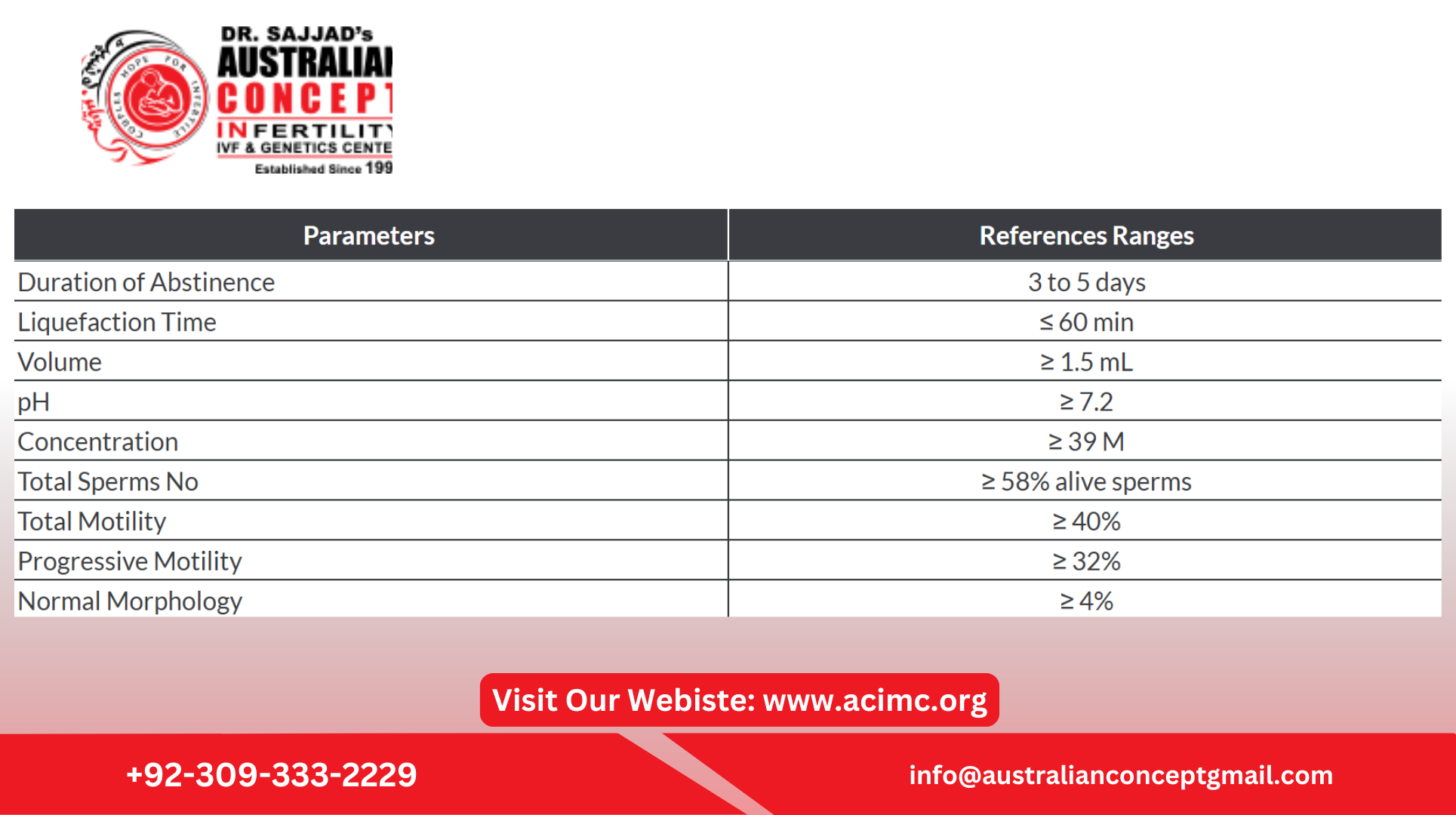
When couples face difficulty in achieving pregnancy, a semen analysis is often the first test recommended for men. This test checks several sperm parameters, and one of the most discussed is sperm morphology. Many people feel confused or worried when they see this term in their report.
Sperm morphology refers to the shape and structure of sperm. It plays an important role in male fertility but is often misunderstood. A semen analysis normal report includes morphology along with other parameters to give a complete picture of sperm health.
What Is Sperm Morphology?
Sperm morphology describes the size, shape, and structure of sperm under a microscope. A healthy sperm has:
- An oval-shaped head
- An intact midpiece
- A long, straight tail
Each part has a specific function. The head carries genetic material, the midpiece provides energy, and the tail helps sperm swim toward the egg.
If sperm shape is abnormal, it may affect movement or the ability to penetrate the egg.
How Is Sperm Morphology Tested?
During semen analysis, a small semen sample is examined by a trained laboratory specialist. Sperm are stained and observed under high magnification.
The laboratory counts how many sperm have a normal shape and how many are abnormal. The result is reported as a percentage.
According to international guidelines, a normal sperm morphology result means 4% or more sperm have a normal shape.
Why Is Sperm Morphology Important?
Sperm morphology is important because properly shaped sperm are more likely to:
- Swim efficiently
- Reach the egg
- Penetrate the egg’s outer layer
- Complete fertilization
Abnormally shaped sperm may have difficulty performing these functions, which can reduce the chances of natural pregnancy.
However, morphology is only one part of the fertility picture.
Can Pregnancy Happen With Low Morphology?
Yes, pregnancy is still possible even if sperm morphology is low.
Many men with poor morphology have fathered children naturally. Fertility depends on the combination of all semen parameters, including:
- Sperm count
- Sperm motility
- Sperm vitality
If other parameters are normal, the impact of low morphology may be less significant.
Common Causes of Abnormal Sperm Morphology
Several factors can affect sperm shape, including:
- Smoking and alcohol use
- Poor diet and obesity
- Stress and lack of sleep
- Infections or fever
- Varicocele (enlarged veins in the scrotum)
- Exposure to heat or toxins
Lifestyle changes and medical treatment can sometimes improve sperm morphology over time.
Sperm Morphology and Fertility Treatmen
When sperm morphology is severely abnormal, doctors may recommend assisted fertility treatment.
These may include:
- IUI for mild morphology issues
- IVF for moderate abnormalities
- ICSI for severe morphology problems
With modern fertility treatments, even men with very low morphology can achieve successful fertilization.
Is Sperm Morphology More Important Than Other Parameters?
Sperm morphology is important, but it should never be viewed alone. A semen analysis normal report evaluates multiple parameters together.
For example:
- Normal morphology with low motility may still cause fertility issues
- Poor morphology with high sperm count and good motility may still allow pregnancy
Doctors always interpret morphology results in combination with other semen parameters and the female partner’s fertility status.
Should Sperm Morphology Be Rechecked?
Yes. Sperm quality can change over time.
Doctors may recommend repeating the semen analysis after:
- 2 to 3 months
- Lifestyle improvements
- Medical treatment
A single abnormal report does not always mean permanent fertility problems.
Emotional Impact of Morphology Results
Seeing low morphology in a report can cause stress and anxiety. It is important to remember that sperm shape is just one factor, and treatment options are available.
Open discussion with a fertility specialist can provide clarity, reassurance, and guidance.
Frequently Asked Questions About Sperm Morphology
Is 4% sperm morphology considered normal?
Yes. According to international guidelines, 4% or more normal-shaped sperm is considered within the normal range. This does not mean only 4% work; it means those sperm meet strict shape criteria.
Can sperm morphology improve naturally?
In many cases, yes. Healthy diet, quitting smoking, reducing stress, regular exercise, and avoiding heat exposure can help improve sperm morphology over time.
Does low morphology always require IVF or ICSI?
No. Mild morphology issues may still allow natural pregnancy or be treated with simpler options like IUI. Advanced treatments are suggested only when necessary.
How long does it take for morphology to improve?
Sperm production takes about 70–90 days. Any treatment or lifestyle change usually shows results after 2 to 3 months.
Can infections affect sperm morphology?
Yes. Infections or inflammation can negatively affect sperm shape. Treating the infection may improve morphology.
When Should You See a Fertility Specialist?
You should consult a fertility specialist if:
- Pregnancy has not occurred after 12 months of trying
- Semen analysis shows repeated abnormal morphology
- Other sperm parameters are also affected
- There is a history of male reproductive issues
Early consultation helps avoid delays and unnecessary stress.
Final Thoughts
Sperm morphology is an important parameter in a semen analysis normal report, but it does not determine fertility on its own. Many men with abnormal morphology can still achieve pregnancy, either naturally or with medical support.
HEALTH
Foenegriek: The Legal Implications and Health

Published
3 months agoon
December 2, 2025By
Jack
Foenugreek, scientifically known as Trigonella foenum-graecum, is a versatile and powerful herb known for its numerous health benefits and versatile uses. With origins in the Mediterranean region and a rich history in Ayurvedic medicine, fenugreek has been used for centuries across India, Egypt, and North Africa. Today, fenugreek continues to be a highly valued herb, used not only in cooking but also in natural health remedies. In this comprehensive guide, we will delve into the impressive health benefits of Foenegriek, its nutritional profile, how to incorporate it into your routine, and key precautions to consider.
What Is Foenegriek?
Foenegriek is a leguminous plant with small, yellow-brown seeds packed with essential nutrients and bioactive compounds. It is native to the Mediterranean region and is cultivated in India, Egypt, and North Africa. The seeds of the fenugreek plant are the most commonly used part in both culinary and medicinal applications. The seeds have a distinctive flavor and are commonly used in Indian, Middle Eastern, and Mediterranean cuisines.
Beyond its culinary uses, Foenegriek has long been valued in traditional systems of medicine, especially Ayurvedic medicine, for its ability to address a variety of health issues. The seeds are rich in fiber, proteins, iron, magnesium, and a range of bioactive compounds such as saponins, alkaloids, and galactomannan, all contributing to Foenegriek’s broad spectrum of health benefits.
Key Medicinal Benefits of Foenegriek
Foenegriek has gained widespread recognition for its incredible medicinal properties, many of which are supported by modern scientific research. Below are some of the most prominent health benefits of Foenegriek:
1. Supports Digestive Health
Foenegriek is well-known for its ability to support digestive health. The soluble fiber in Foenegriek seeds, including galactomannan, plays a key role in regulating bowel movements, preventing constipation, and supporting a healthy gut microbiome. Additionally, fenugreek’s mucilage content soothes the stomach, making it effective for reducing conditions like gastritis and acid reflux. The fiber also promotes bowel regularity, ensuring a smooth digestive process.
2. Enhances Lactation in Nursing Mothers
Foenegriek is a powerful lactogenic herb, commonly used by nursing mothers to enhance milk production. The phytoestrogens in fenugreek mimic the effects of estrogen, which stimulates the mammary glands, promoting milk flow. A 2015 study found that fenugreek supplementation resulted in a significant increase in milk production for breastfeeding women. This makes fenugreek a go-to remedy for women experiencing low milk supply.
3. Blood Sugar Regulation: A Natural Aid for Diabetics
Foenegriek plays an important role in blood sugar regulation, particularly for those with type 2 diabetes. The galactomannan found in fenugreek seeds slows the absorption of glucose in the digestive tract, which helps reduce post-meal blood sugar spikes. Furthermore, fenugreek improves insulin sensitivity, making it a valuable supplement for those looking to regulate their blood sugar levels. A 2018 meta-analysis published in the Journal of Diabetes & Metabolic Disorders found that fenugreek supplementation significantly reduced fasting blood glucose levels and improved insulin sensitivity.
4. Hormonal Balance and Women’s Health
Fenugreek is particularly beneficial for women’s health, as it helps promote hormonal balance. It is widely used to regulate the menstrual cycle, relieve PMS symptoms, and support overall reproductive health. The phytoestrogens in fenugreek help alleviate symptoms associated with menopause, such as hot flashes, mood swings, and irregular periods. By mimicking the effects of estrogen, fenugreek helps maintain hormonal stability, offering relief for women at various stages of life.
5. Skin and Hair Health
Foenegriek offers significant beauty benefits, especially for skin and hair health. The high levels of proteins, vitamins, and antioxidants in Foenegriek contribute to healthier skin and hair. Foenegriek has antifungal properties, making it effective in treating dandruff and strengthening hair follicles, thus reducing hair fall. Its anti-inflammatory and antioxidant properties make it an excellent remedy for skin conditions such as acne, blemishes, and aging skin.
Foenegriek Nutritional Profile
The fenugreek seed is packed with essential nutrients, making it a valuable addition to your diet. Here’s a breakdown of the key nutrients found in 100 grams of Foenegriek seeds:
- Fiber: 24g – Promotes digestion, regulates blood sugar, and prevents constipation.
- Protein: 23g – Supports metabolism and tissue repair.
- Iron: 33mg – Improves blood circulation and prevents anemia.
- Magnesium: 191mg – Supports muscle function and reduces muscle cramps.
- Calcium: 176mg – Promotes strong bones and reduces the risk of osteoporosis.
- Vitamin C: 3.8mg – Boosts immunity and aids in collagen production.
- Saponins: High – Lowers cholesterol and improves fat metabolism.
- Alkaloids: Present – Supports immune health and alleviates pain.
How to Use Foenegriek: Dosage and Applications
There are several ways to incorporate Foenegriek into your diet and wellness routine. Here are some of the most common forms of Foenegriek:
- Foenegriek Seeds: Add them to smoothies, curries, soups, or soak them overnight and consume them in the morning.
- Foenegriek Tea: Brew 1–2 teaspoons of crushed Foenegriek seeds in hot water for 10–15 minutes. Drink 1–2 cups daily for digestive or lactation benefits.
- Foenegriek Capsules: Available in health stores, typically in 500 mg doses. Take 1–2 capsules daily.
- Foenegriek Powder: Mix with warm water or milk to drink, or apply topically as a face mask or hair treatment.
Recommended Dosage
- For Lactation: 500 mg–1g of Foenegriek capsules, 2–3 times a day.
- For Blood Sugar: 1 teaspoon of Foenegriek seeds soaked overnight.
- For Skin and Hair: Apply a Foenegriek powder mask directly to the skin or hair.
Always consult with a healthcare provider before incorporating Foenegriek into your routine, especially if you have underlying health conditions or are pregnant.
Side Effects and Precautions
While fenugreek is generally safe, it may cause mild side effects, particularly when taken in large amounts:
- Digestive Issues: Overconsumption may lead to gas, bloating, or mild diarrhea.
- Body Odor: Fenugreek may cause a sweet, maple-syrup-like odor in some individuals due to its breakdown in the body.
- Blood Sugar: Individuals on diabetes medication should be cautious, as Foenegriek can significantly lower blood sugar levels.
- Pregnancy: Pregnant women should avoid high doses of Foenegriek, as it may cause uterine contractions.
Foenegriek in Modern Wellness Trends
Foenegriek is gaining popularity in modern wellness trends due to its diverse health benefits. From its role in managing blood sugar to balancing hormones, fenugreek has found its place in natural health products. It is often featured in supplements aimed at promoting digestive health, lactation, and skin and hair health. As natural remedies become more popular, fenugreek’s appeal continues to grow, and its potential as a wellness ingredient is being recognized globally.
Conclusion
Foenegriek is a versatile herb that offers a wide range of health benefits. Whether you’re looking to improve digestive health, balance hormones, boost lactation, or enhance skin and hair health, fenugreek is a valuable addition to your wellness routine. Its rich nutritional profile, combined with scientifically backed medicinal properties, makes it a powerful natural remedy. However, as with any supplement, it is important to use fenugreek responsibly and consult with a healthcare provider before incorporating it into your routine, especially if you have underlying health conditions.
FAQs
Foenegriek ke mutabik, yeh kis liye istemal hota hai?
Foenegriek digestive health, hormonal balance, aur lactation ko support karta hai.
Foenegriek ke mutabik, yeh digestion mein kaise madad karta hai?
Foenegriek bowel regularity ko regulate karta hai aur stomach ko soothe karta hai.
Foenegriek ke mutabik, yeh women’s health ke liye kaise faydemand hai?
Foenegriek PMS aur menopause ko relieve karta hai aur hormonal balance support karta hai.
Foenegriek ke mutabik, yeh hair health ko improve karta hai?
Foenegriek hair fall reduce karta hai aur dandruff treat karta hai.
Foenegriek ke mutabik, isey kaise consume karna chahiye?
Foenegriek ko seeds, powder, capsules, ya tea ke roop mein liya ja sakta hai.
Foenegriek ke mutabik, iske side effects kya hain?
Foenegriek gas, bloating, ya sweet body odour cause kar sakta hai.



Trending

 FASHION2 months ago
Chromeheart Jeans Winter Sale USA – Shop Authentic Luxury Denim for Less This Season
- BUSINESS2 months ago
Palm Jebel Ali Villas: Off-Plan Opportunities You Shouldn’t Miss
 TECHNOLOGY2 months ago
AI Detector: Redefining Originality in the Age of Infinite Content
- Blogs2 months ago
OVO Clothing Online Store

 EDUCATION2 months ago
The Positive Power of Language Learning in Modern Life
- HEALTH2 months ago
How important is sperm morphology in a semen analysis normal report
- NEWS2 months ago
Time in Mumbai, India: Local Clock, Time Zone, and Planning Tips
 BUSINESS2 months ago
Vinny Pizza: A Flavor Story That Goes Beyond the Slice