


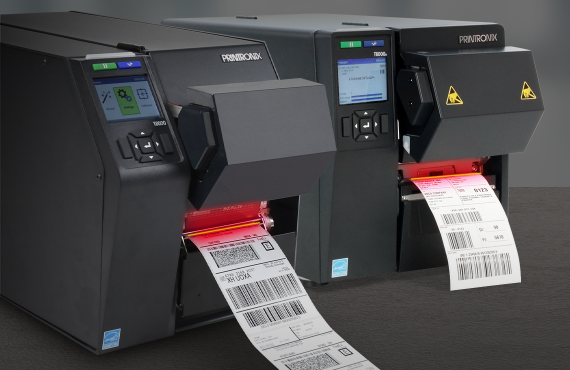
Barcode Printer: A Practical Guide for Modern Businesses
A barcode printer is an essential tool for businesses that want accuracy, speed, and better control over products and inventory. From retail stores and warehouses to logistics and healthcare, barcode printers help label items clearly and reduce manual errors. As businesses grow and product volume increases, manual labeling becomes inefficient. This is where a barcode printer plays a key role by automating labeling and improving workflow.
What Is a Barcode Printer?
A barcode printer is a device that prints barcodes on labels, tags, or receipts. These barcodes can be scanned to quickly identify products, prices, stock levels, or shipment details. Unlike regular printers, barcode printers are designed to produce clear, scannable codes that remain readable over time.
Most barcode printers use thermal printing technology, which is reliable and cost-effective for high-volume printing.
How a Barcode Printer Works
A barcode printer works by converting data into barcode format and printing it onto labels or paper. When the printed barcode is scanned, the scanner reads the data and connects it to a system such as inventory software or a POS system.
There are two standard printing methods:
- Direct thermal printing, which uses heat-sensitive labels
- Thermal transfer printing, which uses a ribbon for longer-lasting labels
Each method is chosen based on how long the label needs to last and where it will be used.
Types of Barcode Printers
Different businesses need different types of barcode printers. Choosing the right one depends on usage and environment.
Desktop Barcode Printers
Desktop barcode printers are compact and suitable for small to medium businesses. They are commonly used in retail shops, offices, and pharmacies. These printers handle moderate printing volumes and are easy to operate.
Industrial Barcode Printers
Industrial barcode printers are built for heavy-duty use. They are designed for warehouses, factories, and distribution centers where labels are printed in large quantities every day. These printers are durable and fast.
Mobile Barcode Printers
Mobile barcode printers are lightweight and portable. They are used by delivery staff, field workers, and warehouse teams who need to print labels on the go.
Common Uses of a Barcode Printer
Barcode printers are used across many industries.
In retail, they help label products and manage pricing. In warehouses, they track inventory and shipments. In logistics, barcode labels improve package identification and delivery accuracy. In healthcare, barcode printers are used for patient records and medicine labeling.
No matter the industry, a barcode printer improves efficiency and reduces mistakes.
Related more articles, thermal paper rolls
Benefits of Using a Barcode Printer
Using a barcode printer offers several advantages for businesses.
Improved Accuracy
Barcodes reduce human error. Scanning a barcode is faster and more accurate than manual entry.
Faster Operations
Printing and scanning barcodes speeds up billing, stock checks, and order processing.
Better Inventory Management
Barcode printers help track products in real time. This prevents overstocking and stock shortages.
Cost Savings
Although there is an initial cost, barcode printers save money in the long run by reducing errors and labor time.
Barcode Printer vs Regular Printer
A regular printer is not designed for barcode labels. Ink-based printing may fade, and barcodes may become unreadable. A barcode printer is designed specifically for label printing, ensuring durability and scan accuracy.
For businesses that rely on barcodes daily, using a dedicated barcode printer is a more intelligent choice.
Choosing the Right Barcode Printer
Selecting the right barcode printer requires understanding your needs.
First, consider print volume. Low-volume users can choose desktop printers, while high-volume users need industrial models. Second, think about label durability. If labels need to last long, thermal transfer printing is better. Third, check compatibility with your software and scanners.
Ease of maintenance and availability of supplies like labels and ribbons should also be considered.
Maintenance and Care Tips
Proper care extends the life of a barcode printer.
- Clean the print head regularly
- Use quality labels and ribbons
- Avoid dust and moisture
- Follow manufacturer guidelines
Simple maintenance helps maintain print quality and prevents downtime.
Barcode Printers and Business Growth
As businesses grow, manual systems become inefficient. A barcode printer supports growth by making processes scalable. Whether adding new products or expanding warehouses, barcode labeling keeps operations organized.
Many businesses start with a basic barcode printer and upgrade as demand increases.
Future of Barcode Printing
Barcode printing continues to evolve. Modern barcode printers support advanced barcode formats and integration with cloud-based systems. This makes data tracking easier and more flexible.
As automation increases, barcode printers will remain a core part of business operations.
Conclusion
A barcode printer is more than just a labeling device. It is a productivity tool that improves accuracy, speed, and organization. From small shops to large warehouses, businesses benefit from using barcode printers to manage products efficiently. By choosing the right barcode printer and maintaining it properly, businesses can streamline operations and support long-term growth. Investing in a barcode printer today helps build a more reliable and efficient system for tomorrow.
For more articles, visit by here