Uncategorized
From Auction to Arrival: Hidden Time & Cost Variables in Japanese Used Car Logistics



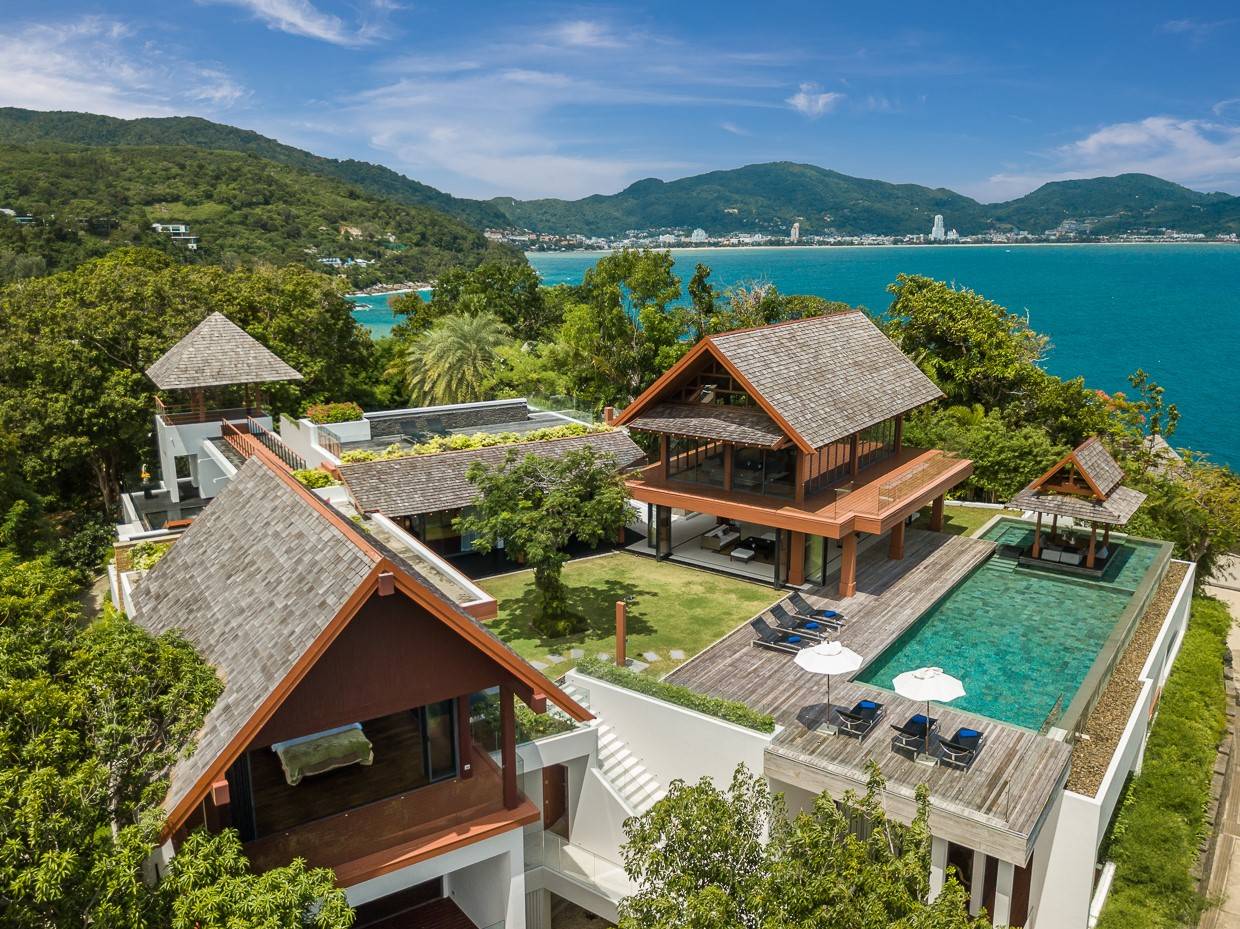
As global investors continue to seek resilient, lifestyle-driven property markets, Phuket stands out as one of Asia’s most compelling real estate destinations in 2026. Long celebrated for its natural beauty and thriving tourism industry, Phuket has matured into a sophisticated international property market offering strong fundamentals, diverse opportunities, and long-term appeal.
At Phuket Property UK, we work closely with buyers from the UK and across Europe who are looking for more than just bricks and mortar. They are seeking lifestyle security, income potential, and future-proof investments. Below, we explore 10 key reasons why investing in Phuket real estate in 2026 makes strategic and lifestyle sense.
1. Continued Capital Growth in Prime Locations
Phuket’s top real estate zones—such as Bang Tao, Cherng Talay, Kamala, and Layan—continue to experience steady capital appreciation. The island’s geography limits available land, particularly in coastal and sea-view areas, which naturally supports long-term price growth.
Unlike overbuilt urban markets, Phuket’s development is tightly constrained by zoning regulations and environmental protections. As a result, well-located villas and condominiums in established neighbourhoods tend to hold value exceptionally well, even during global market fluctuations.
2. Strong Rental Yields Driven by Tourism
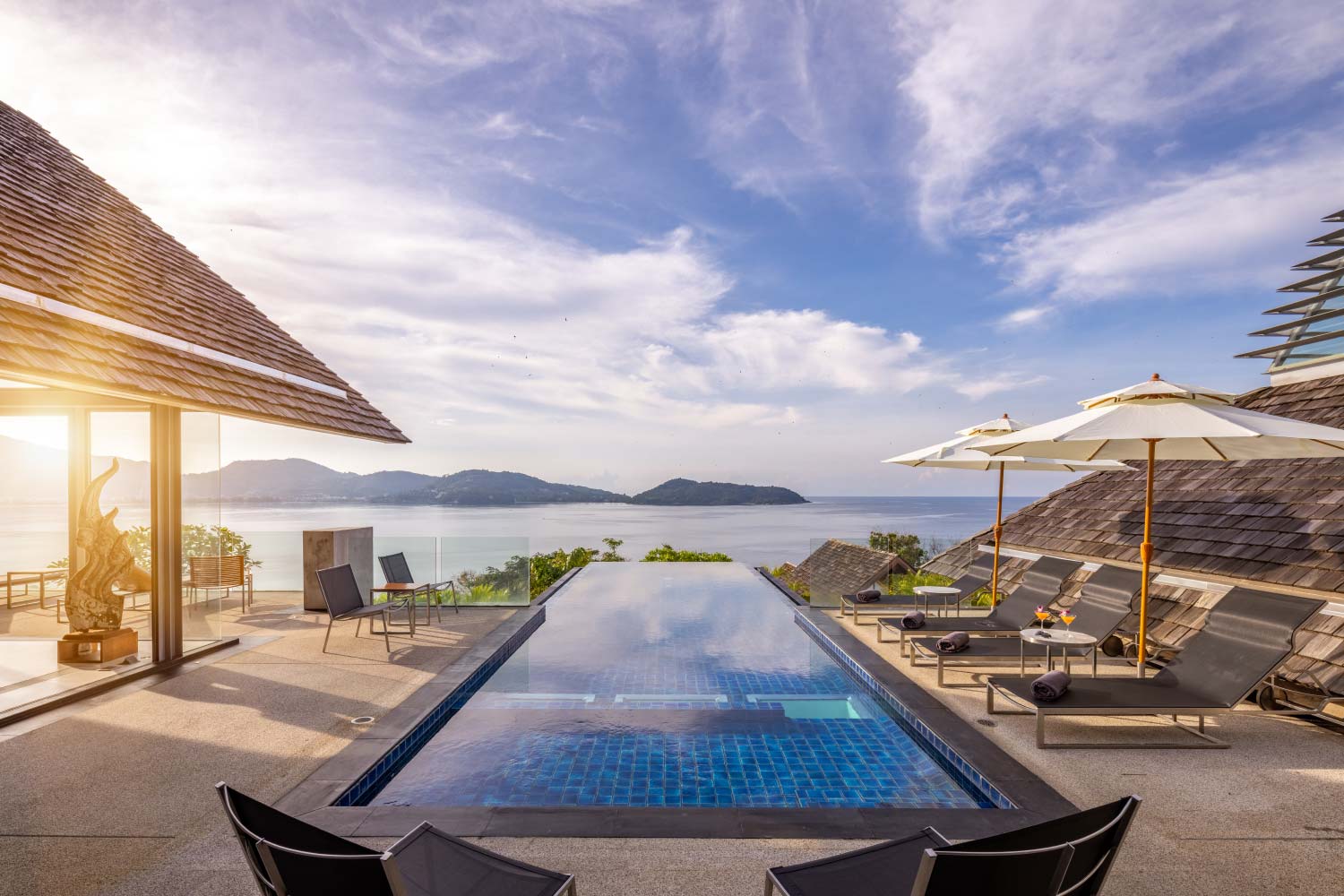

Tourism remains the backbone of Phuket’s property investment appeal. The island attracts millions of visitors each year, ranging from short-stay holidaymakers to long-stay winter residents.
Modern villas and well-managed condominiums in prime areas can generate attractive rental yields, particularly during high season. Investors benefit from:
- High nightly rental rates for luxury villas
- Year-round demand supported by international travel
- Professional rental and property management services
This makes Phuket an ideal market for buyers seeking a balance between personal use and income generation.
3. A Lifestyle Market with Real Demand
Unlike purely speculative markets, Phuket is driven by genuine lifestyle demand. Buyers are not just investing—they are living, retiring, working remotely, or planning future relocation.
Phuket offers:
- International schools and hospitals
- World-class dining and wellness facilities
- Golf courses, marinas, and beach clubs
- A large and diverse expat community
This lifestyle-driven demand provides long-term stability, as properties are purchased for real-world use rather than short-term speculation.
4. Excellent Value Compared to Global Luxury Destinations
When compared to other international resort markets such as Dubai, Ibiza, or the South of France, Phuket offers exceptional value per square metre—especially in the luxury villa segment.
Investors can acquire spacious modern villas with private pools and landscaped gardens at prices that would be unattainable in many Western markets. This affordability, combined with rental potential and lifestyle benefits, continues to attract savvy international buyers in 2026.
5. Increasing Demand from Long-Stay Residents
Phuket is no longer just a holiday destination—it has become a long-stay residential hub. Retirees, digital nomads, entrepreneurs, and families are choosing Phuket as a base for part or all of the year.
This trend supports:
- Long-term rental demand
- Resale value for residential-style properties
- Growth in infrastructure, services, and amenities
Properties suited for full-time living—particularly modern villas and low-density developments—are especially well positioned.
6. A Largely Cash-Based, Resilient Market
Phuket’s real estate market is notably less dependent on high leverage than many Western markets. A large proportion of purchases are made with significant equity or all-cash, particularly by international buyers.
This reduces exposure to interest rate volatility and contributes to greater price stability during global economic uncertainty. In 2026, this resilience is a major advantage for investors seeking lower-risk overseas property exposure.
7. Flexible Ownership Structures for Foreign Buyers
While Thailand has specific regulations regarding foreign ownership, there are well-established and legally recognised structures that allow international buyers to invest safely or phuket property for sale.
These include:
- Freehold condominium ownership
- Long-term registered leases
- Structured villa ownership solutions with legal safeguards
With professional legal advice and experienced agencies such as Phuket Property UK, foreign buyers can invest with confidence and clarity.
8. Limited Supply of Quality New Developments
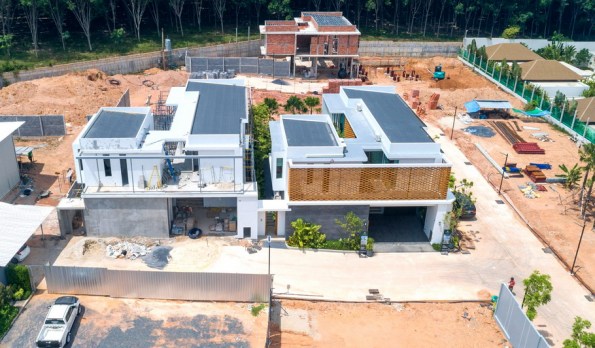
While demand continues to grow, the supply of high-quality, well-located new developments remains limited—particularly in the luxury and boutique villa segment.
Developers face increasing land costs, stricter planning rules, and higher construction standards. As a result, modern villas built by reputable developers are becoming more valuable over time, especially those within secure, well-managed communities.
9. Attractive Tax Environment
Thailand’s property-related tax structure remains relatively favourable for investors compared to many Western jurisdictions. While buyers should always seek professional tax advice, Phuket real estate generally benefits from:
- Modest annual property taxes
- No ongoing wealth tax
- Competitive transaction costs compared to Europe
These factors enhance overall net returns and make long-term ownership more appealing.
10. Phuket’s Long-Term Vision and Global Appeal
Phuket continues to evolve as a global lifestyle and luxury destination. Ongoing infrastructure improvements, upgraded marinas, international hospitality brands, and improved transport links all support the island’s long-term growth trajectory.
As sustainability, wellness, and quality of life become increasingly important to global buyers, Phuket’s blend of nature, comfort, and accessibility positions it strongly for the future.
Final Thoughts: Why 2026 Is the Right Time
Investing in Phuket real estate in 2026 is not just about market timing—it’s about aligning with a destination that offers enduring appeal, diversified demand, and tangible lifestyle value.



 FASHION1 month ago
Chromeheart Jeans Winter Sale USA – Shop Authentic Luxury Denim for Less This Season
- BUSINESS2 months ago
Palm Jebel Ali Villas: Off-Plan Opportunities You Shouldn’t Miss
- Blogs2 months ago
OVO Clothing Online Store
 TECHNOLOGY2 months ago
AI Detector: Redefining Originality in the Age of Infinite Content
- HEALTH2 months ago
How important is sperm morphology in a semen analysis normal report

 EDUCATION2 months ago
The Positive Power of Language Learning in Modern Life
- NEWS1 month ago
Time in Mumbai, India: Local Clock, Time Zone, and Planning Tips
 BUSINESS2 months ago
Vinny Pizza: A Flavor Story That Goes Beyond the Slice