TECHNOLOGY
How Telemetryczny Is Transforming the Automotive Industry

Published
9 months agoon
By
Admin
Telemetryczny is revolutionizing real-time data monitoring and transmission with the rise of intelligent and connected automobiles. This technology revolutionizes existing automotive systems by improving fleet economy and tracking vehicle performance. Telemetryczny is increasingly used by automakers, fleet managers, and tech enthusiasts for more control and insight. However, what are the potential benefits for the automotive sector, and how does the system operate? Let’s examine Telemetryczny’s capabilities and potential benefits.
The main tactics and methods that make Telemetryczny data transfer reliable and efficient will be discussed in this blog article. Additionally, we will see how Telemetryczny functions with the various fleet telemetry system types that are currently available. We will also go over the difficulties in implementing such systems, so you are well aware of any potential drawbacks. You will know how to configure these systems for efficient fleet management at the end.
Knowing How to Use the Telemetryczny System
The motor vehicle telemetry system, or telemetryczny, collects data in real time from many sensors to track the position, driver behavior, and performance of the vehicle. By identifying patterns in driving behavior, this data helps with predictive maintenance, increases safety via alerts and emergency messages, and reduces fuel usage. Additionally, it uses wearable sensor belts or GSM/GPRS modules to communicate data in real time. This information is essential in racing for making strategic decisions and adjusting the car’s settings (engine maps, behavior, etc.) throughout a race. All things considered, Telemetryczny promotes efficiency, safety, and vehicle management.
How Is Telemetryczny Operational?
For observation and analysis, telemetry transfers data from one location (like an automobile) to another (like a computer or cloud). Here’s a detailed breakdown of how it operates.
- Sensors and Devices: Sensors in cars measure electrical and physical parameters, including speed, pressure, temperature, and G-forces. OBD-II modules and GPS trackers also monitor diagnostic data and track position.
- Data Transmission Modules: GSM/GPRS or GPS modules are used to wirelessly transfer the gathered data. As a result, these devices enable central server-based onboard vehicle communications.
- Centralized System: After that, data is saved, processed, and examined on a cloud server or in a fleet management software program. Subsequently, algorithms and machine learning models identify trends, patterns, and abnormalities.
- Actionable Insights: By means of reports, alerts, or suggestions, the examined data is transformed into actionable insights. As a result, this information may be used to make judgments about things like whether to do maintenance and how effectively a driver drives.
- Stakeholder Communication: Using a dashboard, a smartphone application, or an alert, the interpretative message is conveyed to the stakeholders, such as fleet managers or drivers. Thus, this promotes wise business choices and increased productivity in general.
Important Telemetry Systems for Automobile Use
Key components and devices frequently used in Telemetryczny systems are listed below:
1. Straps for Polar Telemetry
Wearable Polar telemetry straps assess heart rate and provide useful information about a driver’s health and level of weariness.
The most accurate heart rate data are provided by the sophisticated Bluetooth telemetry strap, the Pas telemetryczny Polar H7, which is also compatible with mobile apps.
The Polar T34 is a wearable device used for safety or control purposes that tracks and records the movement of cars on public highways or racetracks.
2. Telemetry Modules for GSM/GPRS
Moduł Telemetryczny GPRS (MT-020): A GSM/GPRS telemetry module with two power outputs, event logging, and choices for DC and AC power input for monitoring, alarming, and controlling.
The Moduł Telemetryczny GSM (CMB-03) is a small, battery-powered GSM telemetry module with integrated safety features that may function in GPRS or CSD modes for up to three years during scheduled transmissions.
Moduł telemetryczny GSM/GPRS (iMod X1000): This multi-channel streaming telemetry module with a GSM modem offers continuous data access and is utilized for monitoring and diagnostics in automobiles. This implies that it provides real-time data transfer.
3. Holter Telemetry Instrument
Similar to an electrocardiogram, this wearable gadget automatically records your heart’s electrical activity for 24 to 48 hours while you’re doing normal activities. It’s used to identify irregular heart rhythms. Though it may be used for comprehensive driver health monitoring, it is not typically utilized in the car industry.
Telemetry’s advantages in the automotive and motorsport industries
There are several benefits that Motorsport Telemetryczny provides to the automotive and motorsport industries.
Regarding Motorsports:
- Performance Optimization: Telemetry offers real-time reactions to temperature, fuel consumption, and engine performance. In order to attain the optimal race pace, this enables teams to enhance vehicle performance.
- Well-informed strategic choices: It provides real-time data during the race, enabling teams to adjust their wheel or race strategy and pit stops in response to performance in real time. Consequently, this helps teams outperform their rivals.
- Enhanced Safety: By continuously monitoring vital vehicle systems and addressing possible safety concerns as soon as they arise, the vehicle’s safety is improved.
- Continuous Data-Driven Development: Telemetry aids in the advancement of automotive engineering and design. Additionally, teams can modify and enhance car technology for improved performance by using the performance data.
In automobiles for consumers:
- Real-Time Diagnostics: Before problems with the engine and tire pressure arise, Telemetryczny offers real-time vehicle diagnostics. As a result, there are fewer failures and a better degree of transit reliability.
- Better Driving Practices: Telematics can promote better driving practices, such as adhering to speed and brake regulations. Additionally, it improves gas mileage, which eventually lowers insurance premiums.
- Effective Fleet Management: Fleet managers can maneuver vehicles, track position, and do maintenance quickly with real-time location and improved visibility. As a result, there is less downtime, lower fuel costs, and more operational capabilities.
- Predictive Maintenance: The program known as Predictive Maintenance Telemetry can forecast when a product composition will require maintenance or replacement. Consequently, it minimizes downtime, avoids sporadic malfunctions, and makes periodic maintenance easier.
- Cost Reduction: By using accurate diagnostics, efficient fleet management, predictive maintenance, and other techniques, telematics helps cut expenses. This reduces the need for repairs, avoids unscheduled downtime, and helps control the price of fuel.
Fleet telemetry system types
Based on their characteristics and data kinds, telematic systems used for vehicle monitoring may be divided into some categories:
1. By Capability of Measurement
- Single-Channel Systems: These systems are ideal for straightforward jobs since they continuously monitor a single, accurate number.
- Multi-Channel Systems: These telemetric devices enable several measurements to be taken at once, such as engine health, speed, and fuel usage.
- Selective Systems: These systems employ particular parameters only when necessary, measuring many values but not all at once.
- Wireless vs. Wired Systems: Wireless systems connect via a GPRS modem, GSM, or radio, whereas wired systems employ cables or fiber optics. Wireless systems are more adaptable, although signal problems can still occur.
2. Key Types of Fleet Telemetry Functionalities
- GPS-Based Localization Systems: These systems record real-time position data and monitor cars, enabling the replay of previous routes.
- Remote Vehicle Management: A car turns into a command center, providing improved security and oversight for a more intelligent, networked driving experience.
- Inter-Vehicle Communication: makes it possible for fleet cars to communicate directly with one another in real time, which makes coordination easier.
- Systems for Data Collection and Reporting: To maximize fleet efficiency, this system collects mileage, diagnostic, and fuel consumption data.
- Driver identification systems: increase accountability by connecting drivers to certain trips using proximity cards or key fobs.
- Accelerometer-Based Systems: For safety, these systems use a smartphone to track driving activity and identify aggressive driving behaviors, including harsh braking and fast acceleration.
Traffic management systems use geofencing, also known as geosphere monitoring, to detect when vehicles enter or depart pre-established virtual geographic areas as a security and compliance measure.
3. Specialized and Regulatory Systems
- SENTGEO System: This system transmits tachograph data to food production transporters operating in the EU or EFTA nations and verifies drivers’ working hours.
- E-Toll System: A tolling system that monitors the motions of your car and determines how much it costs to drive on a certain route.
- E-Call System: Sends location and vehicle status information and automatically calls emergency services (police or ambulance) in the case of an accident.
Top Techniques for Car Telemetry Data Transmission
For Telemetryczny to succeed, data transfer must be efficient. Important procedures consist of:
- Establish Specific Objectives: To prevent needless data gathering, identify the precise information required (such as speed, engine temperature, and GPS location).
- Choose the Right Protocols: Use lightweight protocols like MQTT or HTTP for reliable transfers for Internet of Things devices. Vehicles often have CAN buses, although cellular networks are frequently used for external transmission.
- As the hazards associated with connected automobiles increase, it is important to ensure data security by encrypting data using SSL/TLS.
- Optimize Transmission: Priority-based scheduling of transmission. Critical safety information, for instance, has to be sent instantly, while less important information may be sent more slowly to conserve bandwidth.
- Use Data Compression Techniques: Before sending out the telemetry data, reduce its size using a data compression tool. As a result, this technique preserves data while lowering bandwidth usage and increasing transmission efficiency.
- Frequent Software Updates: To address security flaws and facilitate enhancements, make sure that the software on telemetry systems is updated.
- Regulatory Compliance: Adhere to laws governing the protection of personal data, including the GDPR.
- Monitor Quality: To make sure data quality is preserved, keep an eye out for packet loss or lag.
- Although 4G/5G modules offer better speed and reduced latency, technologies like GPRS or GSM should be taken into account when selecting telemetry modules for dependability.
Implementing Telemetryczny Systems Presents Difficulties
Organizations must overcome several obstacles while implementing Telemetryczny systems to guarantee their proper implementation and operation. Here are a few of the main obstacles:
- Data Security and Privacy: Cyberattacks target telemetryczny systems because they manage sensitive data. To safeguard sensitive data and preserve security, it is crucial to make sure that data encryption and adherence to laws like HIPAA are followed.
- Connecting Legacy Systems: A lot of organizations have systems that aren’t designed to keep an eye on contemporary telemetry. As a result, when incorporated into this legacy system, new telemetry solution designs might be costly, complex, and time-consuming.
- Scalability Issues: Managing massive volumes of data gathering or processing is challenging due to the proliferation of IoT devices. Because of this, businesses need a highly scalable infrastructure that can handle increasing volumes of data economically and transparently.
- Data Accuracy and Quality: Inaccurate interpretations may arise from sensor data that is flawed or lacking. Therefore, regular device calibration and maintenance are required to provide high-quality data and insightful interpretation.
- Network Connectivity: Systems that rely on telemetry frequently require network connectivity. As a result, inadequate connectivity might lead to inconsistent data transfer, which lowers the validity and performance of the system.
- High Implementation Costs: The hardware, software, and training required to implement the Telemetryczny systems are quite expensive. As a result, these expenses could be prohibitive, especially for smaller businesses with tighter budgets.
- User Resistance and Training Needs: Because staff are not well-versed in telematics, organizations are reluctant to implement this technology. To encourage a smooth transition and effective instrument usage, a well-designed training program is also crucial.
Upcoming Developments in Telemetry
Several significant developments are influencing the future of autonomous cars as they continue to develop:
- Advanced Vehicle-to-Everything (V2X) Communication: To increase safety and situational awareness, V2X technologies will enable communication between automobiles, pedestrians, infrastructure, and other vehicles.
- 5G and 6G Connectivity: Real-time data connectivity for self-driving cars is made possible by the ultra-low latency and high bandwidth provided by the rollout of 5G and eventually 6G networks.
- AI-Powered Predictive Analytics: Telemetry data is analyzed using artificial intelligence to predict vehicle performance and maintenance needs, reducing downtime and boosting efficiency.
- Integration of Edge Computing: By processing data closer to the source, edge computing lowers latency and bandwidth consumption, allowing autonomous cars to make decisions more quickly.
Improved Cybersecurity Measures Autonomous car systems will be shielded from cyberattacks by putting sophisticated encryption, zero-trust designs, and blockchain-based integrity checks into practice.
In conclusion
To sum up, Telemetryczny technology is facilitating real-time data collecting, analysis, and decision-making, which is causing a major shift in the automobile sector. Fleet management and vehicle operations are changing as a result of its involvement in predictive maintenance, fuel efficiency optimization, and driver safety. Fleet monitoring systems will improve vehicle performance and driver and passenger safety as they continue to progress.
Data security, existing infrastructure integration, and handling massive data volumes are some of the difficulties associated with putting Telemetryczny systems into place. Organizations must make investments in scalable, secure systems, guarantee regulatory compliance, and prioritize user training to overcome these obstacles. The impact of Telemetryczny technology on the automobile sector will only increase as it develops, leading to more inventive and effective modes of transportation.
Crypto30x.com Review 2025: Safe Platform or Risky Bet?
FAQs
What is Telemetryczny System?
Modern car technology, the Telemetryczny System, improves vehicle performance and safety by allowing real-time data transfer and monitoring. It enables remote tracking, analysis, and optimization of vehicle data for fleet managers and automakers.
How much does it cost to put Telemetryczny systems into place?
The volume and complexity of the system determine the price; for example, simple configurations may be inexpensive, whereas sophisticated systems may be expensive. Additionally, the total cost is influenced by elements like as sensor kinds, data transmission techniques, and integration needs.
What kinds of information are gathered by Telemetryczny systems?
Telemetryczny systems collect a variety of data, including user behavior, equipment performance, and environmental variables. They also gather sensor-specific data and location information, enabling thorough monitoring and analysis.
Is the data from Telemetryczny secure?
Yes, if strong encryption, access restrictions, and adherence to data protection laws are put in place, Telemetryczny data can be secure. Without these safeguards, though, it is still open to possible abuse, illegal access, and interception.
What is the relationship between AI and Telemetryczny systems?
By analyzing large data volumes to find trends and abnormalities, artificial intelligence improves Telemetryczny systems. Predictive analytics and automatic reactions are then made possible by this connection, enhancing system dependability and performance.
You may like






Tech
Certified Document Translation Services: Your Comprehensive Guide

Published
2 weeks agoon
January 13, 2026By
Steven
Navigating Certified Document Translation Services: Your Comprehensive Guide
Introduction
In our interconnected global landscape, the role of certified document translation services has grown exponentially. This guide delves into the depths of certified document translation, uncovering its significance and nuances. Join us on a journey through the intricacies of different document types, the essence of “certified,” essential factors in document translation, and why Linguidoor emerges as the beacon of excellence in this realm.
Decoding Certified Document Translation
Certified document translation services transcend mere language conversion. They involve the meticulous translation of documents by official and certified linguists, ensuring not only linguistic accuracy but also cultural sensitivity and adherence to legal standards. These services hold utmost importance for documents of legal, academic, medical, and immigration importance.
Diverse Documents Requiring Certified Translation
Translating Legal Documents
Navigating legal waters demands accurate translation of contracts, deeds, and court orders, which often require certified translation to maintain their integrity and admissibility in foreign legal systems.
Certified Academic Transcripts
Students aspiring to study abroad need their academic transcripts and diplomas translated and certified to fulfill admission prerequisites of educational institutions.
Business Contracts in Translation
In the realm of international business, translating agreements, licenses, and contracts is vital to ensure that all stakeholders comprehend the terms comprehensively.
Certified Medical Record Translation
Bridging the healthcare gap necessitates the certified translation of medical records and reports, enabling effective communication between patients and medical practitioners.
Immigration Document Translation
Crucial for immigration proceedings, documents like birth certificates, marriage certificates, and passports require certified translation to meet the requirements of the destination country.
Unveiling the Essence of “Certified”
The term “certified” carries profound implications. Certified document translation services will always provide a statement attesting to the translator’s diligence and accuracy. This certification lends authenticity, making the translated document credible and acceptable by official entities.
Mastering Document Translation: Key Considerations
To ensure seamless document translation, several factors come into play:
Precision Unleashed: The Art of Accurate Translation
Translations must capture the essence of the original text while maintaining grammatical integrity and coherence in the target language.
Weaving Cultural Threads: Navigating Cultural Sensitivity
Cultural nuances and context are pivotal. A successful translation not only respects language but also reflects cultural norms and sensitivities.
Legal Lens: Translations with Regulatory Compliance
Legal, medical, and immigration documents must adhere to the specific requirements of the destination country’s regulations and legal systems.
Safeguarding Confidentiality: Data Privacy in Translation
Ensuring confidentiality of both the original and translated content is paramount, demanding strict adherence to data protection protocols from your certified document translation service provider.
Linguidoor: Your Ultimate Destination
Linguidoor stands as an unrivaled leader in certified document translation services:
The Experts Behind: Proficiency Redefined
Collaborating with subject-matter experts guarantees accurate translations that capture context and essence flawlessly.
Seal of Authenticity: Court-sworn Certified Translator Corps
Certified professionals handle all certified document translation services, accompanied by certificates of accuracy when required.
Elevating Excellence: Unparalleled Quality Assurance
Stringent quality checks validate and verify every translation, assuring excellence in every delivery.
Worldly Words: A Multilingual Spectrum
Linguidoor’s expansive network of translators offers services in numerous languages, catering to a global clientele.
Client Empowerment: Linguidoor’s Client-Centric Approach
Linguidoor prioritizes client needs, timelines, and budgets, offering tailored solutions that exceed expectations.
Conclusion
Certified document translation services form the cornerstone of effective global communication. In a world where borders are increasingly porous, the ability to bridge linguistic gaps with precision is paramount. The journey through this guide has illuminated the vital role certified translations play in legal, educational, commercial, medical, and immigration contexts.
As the world grows smaller, communication across languages becomes paramount. Linguidoor’s meticulous approach, powered by the expertise of its certified translators, ensures that your documents retain their essence, regardless of the language they are translated into. The seal of “certified” isn’t just a stamp; it’s a testament to accuracy, authenticity, and accountability.
In a realm where every word matters, and precision can alter outcomes, Linguidoor stands as your steadfast companion. It is the compass that ensures your messages traverse linguistic landscapes unaltered and unscathed. So, whether you’re a legal professional striving for justice across languages, a student embarking on an academic odyssey, an entrepreneur exploring new markets, a patient seeking medical care beyond borders, or an individual embarking on a new homeland, Linguidoor empowers you with the linguistic prowess to realize your aspirations.
So, as you step into a world where languages cease to be barriers and become conduits of understanding, remember that Linguidoor stands ready to make your documents resonate in any corner of the globe. It’s not just about translation; it’s about transformation. It’s about crossing boundaries, breaking barriers, and embracing a world without limits—a world where language is no longer a barrier but a bridge to your dreams.
Make your mark in any language, in any corner of the world, with the unrivaled expertise, commitment, and authenticity that Linguidoor brings to every translation. Choose Linguidoor—a choice that transcends words and speaks volumes.
Source URL: https://linguidoor.com/certified-document-translation-services-in-germany/
TECHNOLOGY
The Crimping Tool: Small Device, Serious Precision
Published
2 weeks agoon
January 12, 2026By
Steven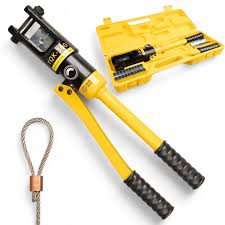
Introduction
Some tools shout for attention. Others quietly do their job and shape the final result without ever being noticed. The crimping tool belongs to the second category. It may not look impressive at first glance, but in the world of electrical work, networking, and mechanical assembly, it plays a decisive role.
A crimping tool doesn’t just connect components—it creates reliability. And reliability is what separates professional work from temporary fixes.
Why the Crimping Tool Exists in the First Place
Before the crimping tool became common, connections relied heavily on twisting wires together or using excessive solder. Those methods worked—until vibration, heat, or time caused failure. The crimping tool was designed to solve a simple but critical problem: how to create a secure connection without damaging the conductor.
By applying controlled pressure, a crimping tool compresses connectors around wires in a way that locks them together mechanically and electrically. The result is a bond that resists movement, corrosion, and signal loss.
Precision Over Force: How a Crimping Tool Really Works
A common misconception is that crimping is about strength. In reality, it’s about precision. A quality crimping tool applies pressure evenly, shaping metal without cutting or weakening it.
Each crimp forms a cold weld—metal pressed so tightly that air gaps disappear. This prevents oxidation and ensures stable conductivity. That’s why a properly crimped connection often outperforms soldered joints in high-stress environments.
One Tool, Many Industries
The crimping tool is not limited to electricians. Because of its adaptability, it is crucial in a variety of fields:
- Electrical installations rely on it for terminals and connectors
- Networking and data cabling use crimping tools for clean signal transmission
- Automotive systems depend on crimped connections to handle vibration
- DIY and repair work benefit from fast, dependable joins
No matter the application, the purpose remains the same: consistency without compromise.
Design Matters More Than You Think
Not all crimping tools are created equal. The design determines accuracy, comfort, and long-term performance. Well-engineered crimping tools include features like controlled ratcheting, ergonomic grips, and interchangeable dies.
These details aren’t cosmetic. They ensure that each crimp is repeatable, reducing user error and preventing uneven pressure. Over time, this consistency saves materials, reduces failures, and improves safety.
The Difference Between a Good Crimp and a Bad One
A poorly tool crimping connection can look fine but fail silently. Wires may loosen, heat may build up, or signals may degrade. A properly used tool crimping eliminates these risks by creating uniform compression.
Good crimps:
- Hold firmly without cutting wire strands
- Maintain electrical continuity
- Resist vibration and temperature changes
This reliability is why professionals trust crimping over temporary solutions.
Crimping Tool vs. Shortcuts
Some people still use pliers as a substitute. While this may seem convenient, it defeats the purpose of crimping. Pliers apply uneven force and often deform connectors incorrectly.
A crimping tool is engineered for one task—and that specialization is its strength. Using the right tool isn’t about being fancy; it’s about avoiding preventable failure.
The Learning Curve Is Short, the Benefits Are Long
One of the strengths of a crimping tool is how quickly it becomes intuitive. Users can attain professional-caliber outcomes with little practice. That makes it accessible for beginners while still essential for experts.
Once learned, crimping becomes faster than soldering and more reliable than twisting wires. This efficiency compounds over time, especially in large projects.
Durability That Pays Off
A quality crimping tool isn’t disposable. Built with hardened steel and precision components, it’s designed to last through thousands of crimps. Over years of use, it proves its value by preventing costly rework.
In many cases, the tool pays for itself by reducing errors alone.
Why the Crimping Tool Still Matters Today
With advances in technology, tools often become obsolete. The crimping tool hasn’t. If anything, it has become more important as systems grow more compact and precise.
Modern electronics demand connections that are strong yet delicate. The crimping tool meets that demand without introducing unnecessary complexity.
Final Perspective: A Tool That Protects Your Work
The crimping tool may not be flashy, but it is foundational. It protects connections, preserves performance, and ensures long-term reliability. Whether used in professional installations or personal projects, it represents attention to detail and respect for craftsmanship.
In the end, a crimping tool doesn’t just connect wires—it connects effort to outcome, ensuring that work done today still holds tomorrow.
Check Out More Latest Articles: Click Here
BUSINESS
Car Rental NYC: A Smart Guide for Easy City Travel
Published
2 weeks agoon
January 12, 2026By
Steven
Introduction
Car rental NYC is a popular option for people who want flexibility while moving around one of the busiest cities in the world. While New York City has strong public transport, it does not fit every situation. Visitors, families, business travelers, and gig workers often prefer renting a car for comfort and control. Understanding how car rental NYC works can help you save time, avoid stress, and make better travel decisions.
Why People Choose Car Rental NYC
New York City is large, fast-paced, and diverse. Many people assume renting a car is difficult, but in reality, it can be very useful.
Car rental NYC is ideal for travelers carrying luggage, families with children, or people planning trips outside Manhattan. It is also common among delivery drivers and short-term workers who need a vehicle without long-term commitment. Renting gives you freedom to move on your own schedule.
When Car Rental NYC Makes Sense
There are specific situations where renting a car in NYC is the best choice.
Airport Arrivals and Departures
Renting a car is helpful if you arrive late at night or travel with heavy luggage. It reduces dependence on taxis or crowded public transport.
Out-of-City Travel
Trips to New Jersey, Long Island, upstate New York, or nearby states are much easier with a rental car.
Family and Group Travel
Traveling with multiple people is more comfortable in a rental car than using buses or subways.
Work and Daily Use
Many people use car rental NYC for rideshare, delivery work, or temporary jobs without owning a car.
Types of Cars Available for Rent
Car rental NYC services offer a wide range of vehicles.
- Economy cars for budget-friendly city driving
- Sedans for comfort and longer trips
- SUVs for families and extra luggage
- Vans for group travel or moving needs
Choosing the right car depends on your purpose, number of passengers, and parking plans.
For more articles, rent a car nyc
How Car Rental NYC Works
The process is simple and straightforward.
You select a car online or at a rental office. A valid driver’s license and payment method are required. Some providers also ask for insurance details. Rental periods can range from a single day to several weeks or even months.
Many companies offer flexible plans to match different needs.
Insurance and Rental Rules
Before confirming a car rental NYC booking, it is important to understand insurance options.
Rental companies usually offer basic coverage. Some drivers already have coverage through personal insurance or credit cards. Always check what is included to avoid unnecessary costs.
NYC has strict traffic rules. Speed limits, tolls, and parking signs must be followed carefully. Most toll roads use cashless systems, and charges are usually added later by the rental company.
Parking in New York City
Parking is one of the biggest concerns for people choosing car rental NYC.
Street parking is limited and often restricted by time and location. Parking garages are available but can be expensive, especially in busy areas. Planning parking in advance helps avoid frustration.
Using navigation apps that show parking spots and garages can save both time and money.
Tips to Save Money on Car Rental NYC
Renting a car does not have to be expensive.
- Book in advance for better rates
- Compare prices from different providers
- Avoid peak pickup times when possible
- Return the car on time to avoid extra fees
- Choose fuel-efficient vehicles for city use
Understanding rental terms also helps avoid hidden charges.
Driving Experience in NYC
Driving in New York City can feel intense at first. Traffic moves quickly, and drivers are alert. However, with patience and good navigation tools, most people adjust easily.
Avoiding rush hours and planning routes ahead of time makes driving smoother. Staying calm and focused is key.
Car Rental NYC vs Public Transport
Public transport is reliable but not always convenient.
Subways can be crowded, and buses may be slow during traffic. Ride-hailing services become costly with frequent use. Car rental NYC offers privacy, flexibility, and comfort, especially for longer trips or work-related travel.
Common Mistakes to Avoid
Some renters make avoidable mistakes.
Not checking fuel policies can lead to extra charges. Ignoring insurance details may increase costs. Skipping vehicle inspection before pickup can cause issues later.
Reading the rental agreement carefully helps avoid these problems.
Environmental Considerations
Many car rental NYC providers now offer fuel-efficient and hybrid vehicles. Choosing these options helps reduce fuel costs and environmental impact while driving in the city.
Conclusion
Car rental NYC is a practical solution for people who need flexibility, comfort, and control while traveling or working in New York City. From airport trips to family outings and work needs, renting a car makes many situations easier. By choosing the right vehicle, understanding rules, and planning ahead, you can enjoy a smooth and stress-free experience. For those who value independence and convenience, car rental NYC remains a smart and reliable choice.
For more articles, visit more here




Trending

 BUSINESS2 weeks ago
Palm Jebel Ali Villas: Off-Plan Opportunities You Shouldn’t Miss
 TECHNOLOGY2 weeks ago
AI Detector: Redefining Originality in the Age of Infinite Content

 EDUCATION2 weeks ago
The Positive Power of Language Learning in Modern Life
- Blogs2 weeks ago
OVO Clothing Online Store
- FASHION2 weeks ago
Chromeheart Jeans Winter Sale USA – Shop Authentic Luxury Denim for Less This Season
 BUSINESS2 weeks ago
Vinny Pizza: A Flavor Story That Goes Beyond the Slice
- Blogs2 weeks ago
The Smarter Way to Heat Your Home Without Rising Energy Costs
- Uncategorized2 weeks ago
Why July Intake in Australia is Good Option for Indian Students?