BUSINESS
Sachet vs Stick Pack Packaging for Single-Serve Products

Published
2 months agoon
By
Steven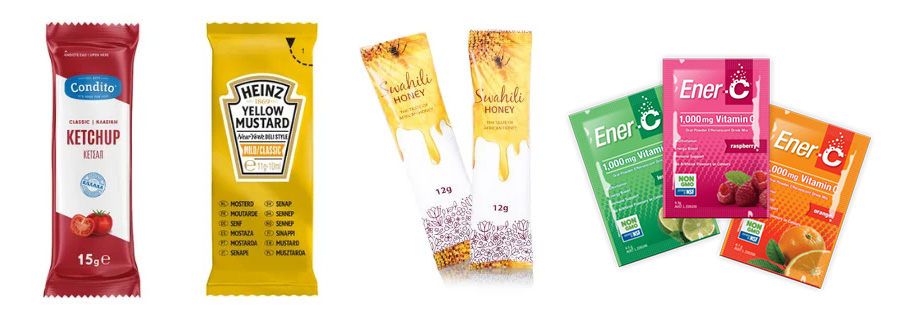
Sachet vs Stick Pack Packaging is a key choice for brands that sell small, single-serve products. These two formats are popular in food, drinks, health, and beauty items. Both are small, light, and easy to use, but they work in different ways. Choosing the right one helps protect the product, lowers costs, and gives customers a better experience. When brands understand how each option works, they can make smarter packaging decisions for global markets.
Understanding the Difference Between Sachets and Stick Packs
In simple words, a sachet is a small flat pouch, while a stick pack is a long and narrow tube-shaped pack. In the second paragraph, learning about Sachet vs Stick Pack Packaging helps brands see how shape, size, and opening style change how customers use the product. Sachets are often used for sauces, creams, and powders. Stick packs are common for sugar, coffee, energy drinks, and medicine powders because they pour easily.
Both formats are made to hold a single portion. This helps with portion control and keeps the product fresh until it is opened. They are also easy to carry, which makes them perfect for travel and on-the-go use.
Shape and User Experience
Flat Sachets for Easy Squeezing
Sachets are wide and flat. This shape is great for liquids and gels. Customers can squeeze out the product with little effort. This makes sachets ideal for shampoo, lotion, ketchup, and face creams.
Slim Stick Packs for Easy Pouring
Stick packs are tall and narrow. This shape helps powders and granules flow out smoothly. It reduces spills and waste. That is why many coffee, sugar, and health drink brands prefer stick packs.
Material and Protection
Strong Layers for Freshness
Both sachets and stick packs are made with layered films. These layers protect the product from air, light, and moisture. This keeps food fresh and beauty items safe.
Leak and Tear Resistance
Good quality packaging has strong seals. Sachets need wide seals to stop leaks. Stick packs need tight seals along the long edges to keep powder inside. Both types are tested to make sure they do not tear during shipping. more
Printing and Branding Space
More Design Area on Sachets
Sachets have a wider front and back. This gives more space for logos, colors, and product details. Brands can share more information and create eye-catching designs.
Clean and Simple Look on Stick Packs
Stick packs have less space, product packaging, but their tall shape stands out. They are easy to line up in boxes and displays. Clear text and strong colors help customers read the brand name quickly.
Cost and Production
Bulk Production Benefits
Both sachets and stick packs can be produced in large quantities. This lowers the cost per unit. Machines can fill, seal, and cut thousands of packs in a short time.
Material Use
Stick packs often use less material because of their narrow shape. This can reduce packaging cost and waste. Sachets may use a bit more film, but they offer more space for branding.
Storage and Shipping
Space Saving Designs
Stick packs take up less space in boxes due to their slim shape. This makes shipping easier and cheaper. Sachets are flat and can be stacked, but they may take slightly more room.
Light Weight for Global Shipping
Both options are very light. This helps brands save on shipping and reach customers in many countries without high transport costs.
Best Uses for Different Products
When to Choose Sachets
Sachets work best for:
- Liquids and creams
- Thick sauces and gels
- Beauty and personal care samples
- Products that need to be squeezed out
When to Choose Stick Packs
Stick packs are better for:
- Powders and granules
- Sugar, salt, and spices
- Coffee and drink mixes
- Medicine and health supplements
One Paragraph with Bullet Points
Single-serve packaging helps brands in many ways, such as:
- Giving the exact portion size for each use
- Keeping products fresh until opened
- Making travel and storage easy
- Reducing product waste
- Helping customers try new items at a low cost
Customer Convenience
Easy Opening
Both sachets and stick packs have tear notches. This helps users open them without scissors. Easy opening improves the overall experience.
Clean Use
Stick packs enable controlled pouring, keeping hands and surfaces clean. Sachets allow smooth squeezing, which is helpful for creams and sauces.
Environmental Considerations
Less Waste with Small Packs
Single-serve packs use only the amount needed for one time. This reduces food and product waste.
New Eco Materials
Many suppliers now offer recyclable and eco-friendly films. These materials help lower the impact on the environment while keeping the same level of protection.
Choosing the Right Option for Your Brand
The choice between sachets and stick packs depends on the product type, how customers use it, and how the brand wants it to look. Liquids and creams often work better in sachets. Powders and granules are easier to use in stick packs. Both can be printed with high-quality designs and made in large volumes for global markets.
Conclusion
Sachet vs Stick Pack Packaging plays a big role in how single-serve products are stored, shipped, and used. Each format has its own strengths. Sachets offer wide space for branding and are perfect for squeezing out liquids. Stick packs save space, pour easily, and work well for powders. By understanding these differences, brands can choose the best option to protect their product and please their customers.
In the end, selecting the right product packaging helps brands improve quality, reduce cost, and build trust with buyers around the world.
You may like
BUSINESS
Welding Gun: The Heart of Efficient Industrial Welding
Published
1 month agoon
January 13, 2026By
Steven
In modern manufacturing, precision, speed, and repeatability are critical. A core component driving these factors is the welding gun. From automotive assembly lines to heavy machinery production, welding guns enable high-quality joins while integrating seamlessly into automated production systems. For engineers, OEMs, and factory managers, understanding welding gun types, functionality, and best practices is essential for achieving optimal production efficiency.
Heron Welder, a global leader in industrial welding and metal-joining solutions, offers a comprehensive range of welding guns and automation systems tailored to diverse manufacturing needs.
What Is a Welding Gun?
A welding gun is a tool designed to deliver controlled electrical energy and pressure to join metal components. It is the interface between the welding system and the workpiece, transferring current, force, and sometimes filler material to create precise welds.
Unlike handheld welding torches in manual operations, industrial welding guns are typically integrated into resistance welding machines or automated production lines. They are engineered for continuous, high-cycle applications with consistent quality, making them indispensable in mass production environments.
Key Types of Welding Guns
Understanding the types of welding guns helps manufacturers select the right solution for their production requirements:
1. Spot Welding Guns
Spot welding guns are widely used in automotive and sheet metal assembly. They deliver high current through copper electrodes to fuse overlapping metal sheets at specific points. Features like water-cooled electrodes, adjustable force, and precise timing ensure repeatable, high-quality welds.
2. Projection Welding Guns
Used for joining pre-formed projections on metal components, projection welding guns concentrate heat on small contact points. This method is common in fasteners, washers, and electrical components.
3. Seam Welding Guns
Seam welding guns use rotating wheels instead of stationary electrodes to create continuous, leak-proof welds along seams. They are ideal for fuel tanks, HVAC components, and pressure vessels.
4. MFDC and Capacitor Discharge Welding Guns
Medium-Frequency Direct Current (MFDC) and Capacitor Discharge (CD) welding guns deliver precise pulses of energy for joining thin or sensitive materials. CD guns are widely used in electronics and battery manufacturing for spot welds on small parts.
How a Welding Gun Works
The principle behind a welding gun is relatively straightforward but highly technical in execution:
- Current Delivery – The gun conducts electrical current from the welding machine to the metal components.
- Pressure Application – Electrodes apply force to hold materials together during the weld.
- Heat Generation – Resistance at the contact points generates heat, melting the metal locally.
- Cooling and Solidification – Controlled cooling solidifies the weld while maintaining structural integrity.
Proper electrode maintenance, water cooling, and force calibration are critical to avoid defects like spatter, voids, or weak welds.
Applications Across Industries
Welding guns are a cornerstone in various manufacturing sectors:
- Automotive Manufacturing: Spot and seam welding guns are used for body panels, chassis assemblies, and exhaust components.
- Electronics and Batteries: Capacitor discharge guns provide precise spot welds on battery tabs and circuit components.
- Appliance Production: Seam and projection welding guns assemble HVAC panels, compressors, and housings.
- Metal Furniture & Construction: Automated spot welding guns enhance speed and consistency in steel frame and sheet metal fabrication.
Heron Welder’s modular guns and robotic integration options allow manufacturers to scale production, reduce cycle times, and maintain consistent weld quality across high-volume applications.
Choosing the Right Welding Gun
When selecting a welding gun, consider these factors:
- Material Type and Thickness: Different guns handle thin sheets, thick plates, or mixed metals.
- Production Volume: High-cycle applications require durable, water-cooled, or robotic-compatible guns.
- Automation Compatibility: For fully automated lines, guns must integrate with robots, conveyors, and controllers.
- Electrode Type and Maintenance: Copper or copper-alloy electrodes, water-cooled designs, and easy replacement mechanisms reduce downtime.
Heron offers a wide variety of welding guns optimized for specific materials, geometries, and automation needs, ensuring maximum uptime and productivity.
Best Practices for Welding Gun Operation
- Routine Maintenance: Regular inspection of electrodes, cooling systems, and gun alignment prevents defects.
- Calibration and Force Adjustment: Proper force ensures uniform weld nugget formation and structural integrity.
- Integrate with Automation: Synchronize the gun with production line controls for precise timing and repeatability.
- Training and Safety: Operators should follow safety protocols, wear protective gear, and understand the electrical and mechanical aspects of welding guns.
Heron Welder: Your Partner in Industrial Welding
Heron Welder provides customized welding guns and automation solutions that meet demanding industrial requirements. Whether it’s high-volume automotive assembly, precision electronics welding, or heavy-duty fabrication, Heron’s expertise ensures reliable, efficient, and cost-effective production.
By combining advanced welding gun technology with modular automation, Heron helps manufacturers achieve higher throughput, reduced downtime, and superior weld quality across applications.
FAQs About Welding Guns
Q1: How long does a welding gun last in production?
A: Lifespan depends on material type, production volume, and maintenance. Water-cooled guns with regular electrode replacement can last for millions of cycles.
Q2: Can welding guns be automated?
A: Yes, industrial welding guns are commonly integrated with robotic arms and automated production lines for high precision and repeatability.
Q3: What metals can be welded using a spot welding gun?
A: Spot welding guns are ideal for steel, stainless steel, aluminum, and coated sheets, with specialized electrodes for each material.
Q4: How do I choose between a capacitor discharge gun and an MFDC gun?
A: CD guns are best for thin, small parts like batteries or electronics, while MFDC guns handle higher production volumes with thicker materials.
Q5: Can I use one welding gun for multiple applications?
A: Modular and interchangeable electrode guns offer flexibility, but optimal performance usually requires application-specific designs.
Take Your Welding to the Next Level
Investing in the right welding gun can dramatically improve production efficiency, weld quality, and operational safety. Heron Welder offers tailored solutions, expert consultation, and a global support network to help manufacturers optimize their welding processes.
Request a quote today or consult Heron for customized welding guns and automated welding solutions designed for your production needs.
BUSINESS
AI-Driven SEO Services at Web Grow Designs
Web Grow Designs provides AI-driven SEO services to enhance search visibility, improve keyword rankings, and drive organic traffic through advanced data-driven strategies.
Published
1 month agoon
January 13, 2026By
Steven
Web Grow Designs leads the way in AI-Driven SEO Services, harnessing cutting-edge artificial intelligence to skyrocket your online presence and business growth. Traditional SEO methods often fall short in today’s fast-evolving digital landscape, but their innovative approach integrates machine learning, natural language processing, and predictive analytics to deliver unmatched results.
Revolutionizing Keyword Research
At Web Grow Designs, AI-powered keyword research uncovers hidden opportunities that manual tools miss. Advanced algorithms sift through billions of search queries to identify high-intent keywords, cluster them by semantic relevance, and forecast rising trends before competitors catch on. This ensures your content targets the right audience at the perfect time, boosting organic traffic by up to 300% for clients. Clients benefit from real-time updates that adapt to search engine algorithm changes, keeping strategies ahead of the curve.
Content Optimization Powered by AI
Content creation transforms under Web Grow Designs’ AI-driven services, where tools like advanced NLP generate optimized headlines, meta descriptions, and full articles tailored to user intent. Their proprietary system analyzes top-ranking pages, fills content gaps, and refines on-page elements for maximum relevance, resulting in higher rankings and engagement. Businesses see improved dwell time and lower bounce rates as AI ensures every piece resonates with both search engines and readers.
Technical SEO Automation
Technical audits happen seamlessly with AI crawlers at Web Grow Designs, scanning sites for issues like page speed, mobile usability, and crawl errors in minutes. Automated fixes and recommendations resolve problems proactively, enhancing site health without manual intervention. This scalability allows even large e-commerce platforms to maintain peak performance, directly impacting conversion rates.
Predictive Analytics and Insights
Predictive ranking analysis sets Web Grow Designs apart, using historical data and machine learning to forecast SERP movements and content performance. Clients receive actionable dashboards tracking keyword progress, traffic potential, and competitor shifts, enabling data-driven decisions. Continuous learning refines strategies over time, turning one-time optimizations into self-improving systems that grow with your business.
Personalized Strategies for Growth
Every service at Web Grow Designs starts with a deep dive into your niche, goals, and audience, crafting bespoke AI-SEO plans. From backlink quality assessments to voice search optimization, their team blends human expertise with AI precision for holistic growth. E-commerce clients report doubled sales from personalized product recommendations embedded in optimized pages.
Why Choose Web Grow Designs
In 2026, as search engines prioritize AI-generated experiences, Web Grow Designs positions your brand at the forefront with scalable, efficient services. Their commitment to transparency includes detailed reporting on ROI, proving tangible gains in traffic and revenue. Partnering with them means not just surviving algorithm updates, but dominating them.
Proven Results and Client Success
Numerous businesses have transformed through Web Grow Designs’ AI-driven SEO, achieving top Google positions within months. Case studies highlight a 250% traffic surge for a Lahore-based e-commerce firm and sustained growth for SaaS providers. Their focus on long-term success ensures lasting visibility in an AI-dominated search future.
The Strategic Evolution of Digital Narratives at Web Grow Designs
In the modern digital landscape, content is no longer just a collection of words on a page but the very architecture of a brand’s online identity. At Web Grow Designs, the approach to content strategy is rooted in the belief that every digital touchpoint should serve as a bridge between a business’s core values and its audience’s deepest needs. This requires a shift from traditional volume-based publishing to a more intentional, design-led framework that prioritizes high-impact storytelling and technical precision. By integrating aesthetic web design with data-driven content, brands can move beyond mere visibility to achieve genuine authority.
Building Topical Authority through Comprehensive Content Pillars
The foundation of any successful strategy lies in the establishment of robust content pillars. These pillars act as the structural supports for a website’s information architecture, ensuring that every article, guide, or case study reinforces a central theme. Instead of chasing fleeting trends, Web Grow Designs emphasizes the creation of “hub” pages that offer an exhaustive exploration of a particular subject. These hubs are then supported by smaller, more specific “spokes” or sub-topics that link back to the main pillar. This internal linking structure does more than just help users navigate; it signals to search engines that the website is a primary source of knowledge on that specific subject, effectively building what is known as topical authority.
Humanizing the Brand through Authentic Storytelling
In an era increasingly dominated by automated outputs, the human element has become a premium commodity. Web Grow Designs advocates for a “People Not Brands” philosophy, where the content strategy includes transparent looks at the inner workings of a company. This involves moving beyond corporate jargon to share founder stories, team highlights, and real-world lessons learned from failures and successes alike. When a brand shares its process—such as how a specific design was conceived or how a complex problem was solved for a client—it builds a level of trust that cannot be replicated by generic marketing copy. This authenticity serves to humanize the business, making it more relatable and memorable to the modern consumer who values transparency.
Harmonizing Aesthetics and Information through Visual Content
The intersection of web design and content strategy is where engagement truly happens. At Web Grow Designs, the strategy dictates that visual elements must be as informative as the text they accompany. This means incorporating custom infographics that simplify complex data, short-form videos that demonstrate product utility, and high-quality imagery that aligns with the brand’s color palette and psychological tone. A well-designed page layout with thoughtful white space and a clear visual hierarchy ensures that the reader’s journey is effortless. By treating design as a form of content in itself, businesses can reduce bounce rates and encourage visitors to spend more time exploring the site, which in turn boosts search engine rankings.
Optimizing for the Future of Generative Search
As search engines evolve into generative AI experiences, Content Strategies must adapt to remain visible. The focus at Web Grow Designs is on creating “AI-readable” content that is simultaneously highly valuable to human readers. This involves using clear headings, logical structures, and direct, factual answers to common industry questions. By providing structured data and clear definitions within long-form articles, a website increases its chances of being cited as a source by AI tools like Gemini or Perplexity. This “Search Everywhere Optimization” ensures that even as traditional click-through patterns change, the brand remains a central part of the user’s research phase, maintaining influence across multiple digital surfaces.
Sustaining Growth through Data-Driven Refinement
The final stage of a sophisticated content strategy is the transition from intuition to evidence. Web Grow Designs utilizes advanced analytics to track not just how many people visit a page, but how they interact with it. By monitoring metrics such as scroll depth, time on site, and conversion rates for specific calls to action, the strategy can be continuously fine-tuned. This iterative process allows for “historical optimization,” where existing content is updated with new data and fresh perspectives to maintain its relevance over time. Ultimately, a content strategy is a living system that, when properly managed, grows alongside the business, turning a static website into a dynamic engine for long-term loyalty and growth.
BUSINESS
Keep Your Special Day Cool: Choosing the Right Wedding Air Conditioner
Published
1 month agoon
January 13, 2026By
Steven
Planning a wedding is a celebration of love, but it also comes with a long checklist from decor and catering to guest comfort. One often-overlooked factor is climate control. A sweltering reception can turn a perfect day into an uncomfortable experience for your guests. That’s where a wedding air conditioner becomes essential. DREZ Aircon, a trusted provider of portable and industrial cooling solutions, offers specialized solutions designed for weddings, outdoor events, and large-scale gatherings.
Why a Wedding Air Conditioner Matters
Temperature control is more than just comfort it impacts your guests’ enjoyment, your event aesthetics, and even the preservation of food and flowers. Traditional HVAC systems may not reach temporary venues, tents, or open-air spaces, which is why portable and industrial-grade wedding air conditioners are an ideal choice.
Some key benefits include:
- Guest Comfort: Keep your guests cool and relaxed, ensuring they enjoy the celebration.
- Preserving Decor: Protect flowers, drapes, and delicate decorations from heat damage.
- Food Safety: Maintain proper temperatures for buffets or catering setups.
- Reliable Operation: DREZ Aircon units are designed for uninterrupted performance during long events.
Types of Wedding Air Conditioners
When planning a wedding, the type of air conditioner depends on venue size, layout, and environmental conditions. DREZ Aircon offers a range of portable and industrial cooling solutions tailored for weddings:
1. Tent Air Conditioners
Ideal for large wedding tents or marquees, tent AC units can handle high-capacity spaces efficiently. Features include:
- High cooling capacity (from 10,000 to 50,000 BTU/hr)
- Flexible ducting for optimal airflow
- Quiet operation to avoid disturbing speeches or music
- Energy-efficient systems to manage power consumption
2. Trailer Air Conditioners
For outdoor venues where electricity supply may be limited, trailer-mounted AC units provide mobility and independence. Benefits include:
- Easy towing and placement
- Independent power supply options
- High-volume cooling for larger wedding areas
3. Portable Outdoor Cooling Units
Perfect for open-air receptions, these units can be positioned wherever heat needs to be controlled. Features include:
- Compact and lightweight design for fast deployment
- Adjustable airflow directions
- Remote control for precise temperature management
Factors to Consider When Selecting a Wedding Air Conditioner
Choosing the right wedding air conditioner requires careful planning. Here’s what event organizers and rental companies should keep in mind:
Venue Size and Layout
Estimate the total square footage and ceiling height of your venue. Larger tents or open-air spaces will require higher-capacity units or multiple ACs for even cooling.
Duration of the Event
For weddings that span several hours, continuous-operation units are essential. DREZ Aircon systems are designed to run reliably for long durations without overheating.
Power Supply
Assess the availability of electricity at your venue. Trailer ACs and some portable units can operate on generators, making them ideal for outdoor locations.
Noise Levels
Wedding ceremonies and receptions demand a peaceful environment. Select AC units with low noise ratings to avoid disrupting music, speeches, or performances.
Professional Installation
For large-scale setups, professional installation ensures efficient airflow and avoids common pitfalls like hot spots or uneven cooling. DREZ Aircon offers expert consultation and setup services for event planners and rental companies.
Why Choose DREZ Aircon for Wedding Cooling
DREZ Aircon has decades of experience supplying temporary and industrial HVAC solutions for events, factories, and exhibitions. Here’s why event organizers trust DREZ for weddings:
- Proven Reliability: High-performance portable AC units built for continuous operation.
- Customizable Solutions: Units available in various sizes and capacities to suit any venue.
- Quick Deployment: Fast setup ensures your wedding is stress-free and climate-controlled.
- Expert Support: Guidance from technical experts on selecting and installing the perfect solution.
FAQs About Wedding Air Conditioners
1. Can a wedding air conditioner handle outdoor summer heat?
Yes. DREZ Aircon portable and tent ACs are designed to maintain consistent cooling even in high temperatures.
2. How many units will I need for a 500-person tent wedding?
This depends on tent size, layout, and insulation. Typically, multiple high-capacity tent ACs or a combination of trailer ACs and portable units provide even cooling. DREZ can perform a site assessment to determine exact requirements.
3. Are these AC units noisy?
DREZ Aircon units are engineered for low-noise operation, making them suitable for ceremonies, speeches, and entertainment.
4. Can these units operate on a generator if there’s no mains electricity?
Yes. Many DREZ trailer and portable units can run on standard generators, offering flexible outdoor cooling solutions.
5. How far in advance should I book a wedding air conditioner?
It’s recommended to reserve your units at least 4–6 weeks before the event to ensure availability and allow time for site planning.
Make Your Wedding Comfortable With DREZ Aircon
A comfortable environment is key to a memorable wedding. Whether you’re planning an intimate tent wedding or a large outdoor reception, a wedding air conditioner from DREZ Aircon ensures your guests stay cool, decor stays fresh, and the celebration goes off without a hitch.
Contact DREZ Aircon today to request a quote, explore our portable and industrial AC solutions, and get expert guidance for your wedding or event. Make your special day a cool and unforgettable experience!



Trending

 FASHION1 month ago
Chromeheart Jeans Winter Sale USA – Shop Authentic Luxury Denim for Less This Season
- BUSINESS2 months ago
Palm Jebel Ali Villas: Off-Plan Opportunities You Shouldn’t Miss
- Blogs2 months ago
OVO Clothing Online Store
 TECHNOLOGY2 months ago
AI Detector: Redefining Originality in the Age of Infinite Content
- HEALTH2 months ago
How important is sperm morphology in a semen analysis normal report

 EDUCATION2 months ago
The Positive Power of Language Learning in Modern Life
- NEWS1 month ago
Time in Mumbai, India: Local Clock, Time Zone, and Planning Tips
 BUSINESS2 months ago
Vinny Pizza: A Flavor Story That Goes Beyond the Slice