


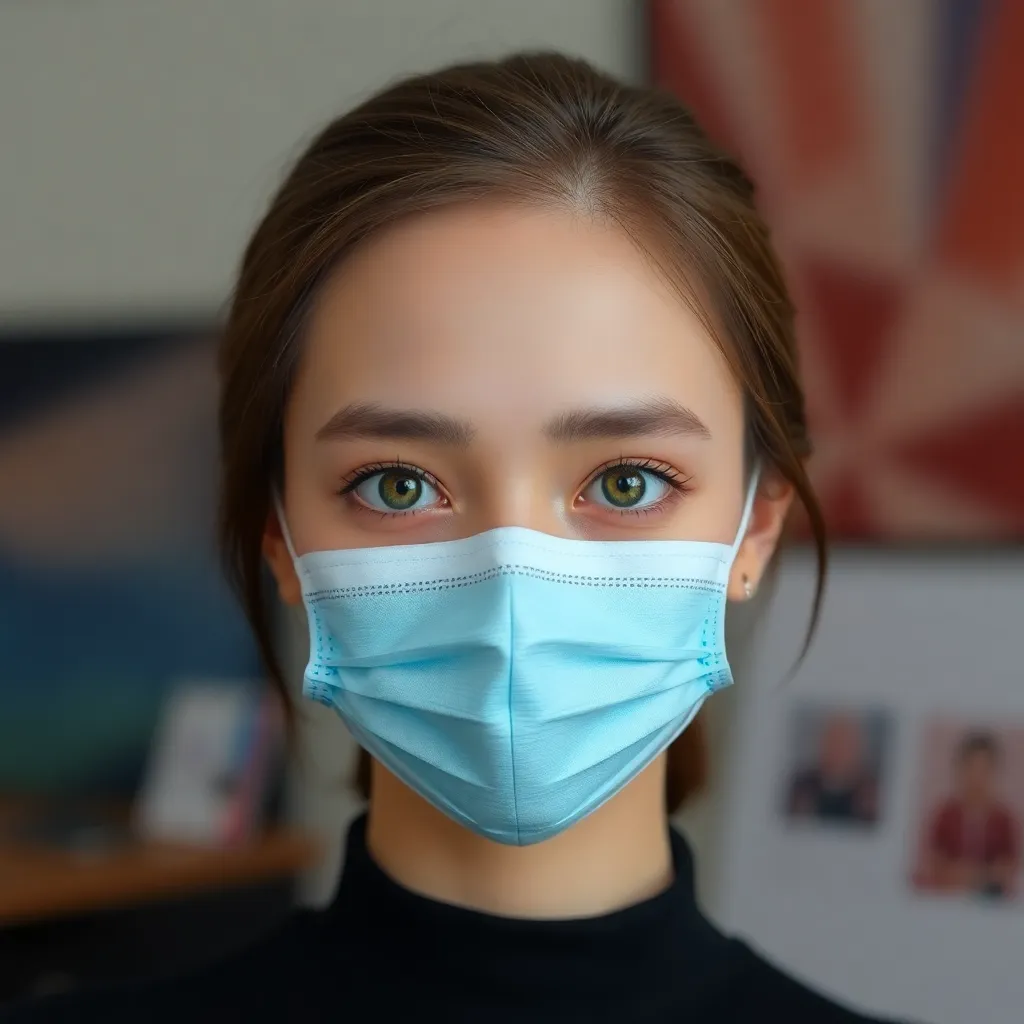
Imagine a lifelike visage that you may mistake for someone you’ve met previously. However, I assure you that this individual does not exist. That is the exact mechanism that powers the ground-breaking deepfake technology and the This Person Does Not Exist tool. These technologies, which are setting new standards in expanded artificial intelligence (EAI), are revolutionizing ethics, creativity, and how we view pictures.
The workings of the This Person Does Not Exist tool, its connection to deepfakes, and the ensuing effects on different businesses will all be covered in this blog. We’ll also look at how to use this tool, its possible uses, ethical ramifications, and the direction of AI-generated media.
What is This Person Does Not Exist ?
With only a single button click, the AI-powered application This Person Does Not Exist creates incredibly lifelike human faces. A fresh, entirely handcrafted face appears each time you reload the website. The hitch is that none of these faces are actual individuals. These photographs are entirely artificial intelligence (AI) produced, meaning that any stance you can think of may be created by training on hundreds of thousands of photos and then creating a new pattern in a unique pose.
The level of realism ranges from the exquisitely rendered skin texture to the hair detail. virtual faces. Even if they have the perfect appearance, their very existence raises troubling concerns about what reality is in the digital era.
This Person Does Not Exist is the result of deepfake technology.
You must first comprehend the technology that powers the “this-person-does-not-exist” phenomenon, known as deepfake technology, which is founded on the same machine-learning principles. Artificial intelligence, more especially a method known as Generative Adversarial Networks (GANs), is at the heart of deepfakes. GANs are capable of creating realistic fake media from scratch, including audio, video, and pictures. Two neural networks are present in these GANs:
- The Generator: It uses actual data samples to produce fictitious content.
- Discriminator: This separates true material from fraudulent and assesses the created content’s authenticity. As generations go by, the generator becomes better and better at consistently generating outputs that are at least somewhat believable.
It makes it possible to produce deepfake films, in which characters seem to say or do things they never did, or visuals that are sufficiently similar to real life to blur the line between fact and fiction.
How Does It Work That This Person Does Not Exist?
“This Person Does Not Exist” is powered by StyleGAN, a sophisticated artificial intelligence model. GAN, developed by NVIDIA, generates excellent visual results. Here’s a step-by-step breakdown:
- Datasets: Thousands of genuine faces, including photographs of real individuals, are used to teach the AI.
- Feature Mappings: StyleGAN dissects these faces into their component elements, such as texture, color, and facial structure.
- Combination: After that, the AI begins mixing and adjusting those components to produce whole new faces from scratch in hyper-realistic images, such as those taken at the beach.
- Validation: By fixing any visual flaws, the discriminator in the GAN makes sure the finished image looks realistic.
All of this takes place in the background, so to see a new face on the website, simply reload the page.
How Can I Use Someone Who Isn’t Here?
As we launch a browser, we can easily use the highly user-friendly tool This Person Does Not Exist:
- Go to the website thispersondoesnotexist.com.
- You can modify the settings to suit your needs.
- Refresh the page to create a new face.
- If you wish to utilize an image as a placeholder or to test AIs, keep it.
Pro Tip: Feel free to use the royalty-free photos for digital art, profile photographs, or design prototypes, but always keep in mind the ethical ramifications, which we’ll go over in a moment.
Does This Person Exist?
To put it succinctly, they are not real, but let’s examine their flaws. The majority of photos seem flawless at first inspection, but occasionally, you’ll spot a minor imperfection that will push them over the edge. For instance:
- characteristics that are not properly aligned (e.g., faces that do not match in the same facial form or eyes that are not horizontal across the face).
- lost or fuzzy accessories, suchas sunglasses.
- backdrop inconsistencies, such as misaligned surroundings or shattered items.
- If you look closely, the resultant images fall into the Uncanny Valley. These anomalies are caused by AIs’ data sets occasionally not syncing up completely correctly.
This Person’s Ethical and Social Impact Is Nonexistent
Significant problems are raised by AI-generated faces, particularly with regard to privacy. There are no websites like this one. com make faces that appear authentic yet aren’t anyone’s.
AI-generated faces are just as deceptive as deepfakes. For instance, someone may make a phony profile and use it to disseminate misinformation or conduct fraud by using the face of someone who doesn’t exist. As a result, it becomes more difficult to believe what we see online.
Effects on Society and Trust
Additionally, there aren’t many tools that are like this individual, which makes it much harder to tell what is genuine and what isn’t. As a result, it can be more difficult to trust internet photos and videos in our day and age.
Legal Consequences and Difficulties
Deepfakes and AI-generated faces are becoming more prevalent, which raises several legal concerns. The law isn’t prepared to deal with this new technology just yet. For instance, it’s not apparent how to utilize an AI-generated person’s face legally if they don’t exist. Is it suitable for marketing or commercial use? What happens if someone poses as someone else using it?
Difficulties in Implementing AI Laws
Although several nations are attempting to enact legislation on deepfakes, “is this person does not exist safe to use?” It’s generally OK to use it for artistic or personal endeavors, but utilizing these faces for commercial or business objectives may result in legal issues.
Law enforcement is also having difficulty addressing the negative consequences of deepfakes. The speed at which technology is developing is outpacing the ability of legislation to adapt. As a result, there are still unclear rules governing how websites such as This Person Does Not Exist function and how they might trick individuals online.
- There is no such person.
- Possible Applications for “This Person Does Not Exist”
- Advantageous Applications of AI-Generated Faces
- AI-generated faces have many useful uses, even though they may cause some anxiety. For instance, “this person does not exist.com” can be used by filmmakers and game designers to generate imaginary settings or people. Additionally, these faces may be used to make unique avatars for video games or online profiles.
Applications for Digital Avatars and Virtual Reality
AI-generated faces might be utilized in the future for customer support representatives or virtual assistants. Online encounters could feel more realistic and intimate with these avatars. Be careful, though, to make sure that these faces aren’t being used to deceive others.
The Distinction Between Deepfakes and AI-Generated Faces
- Faces Created by AI Artificial intelligence-generated faces, or deepfakes, are frequently used creatively in virtual avatars, games, and films. These are phony pictures or movies that pretend someone did or said something they didn’t.
- Faces appear authentic, yet they are all made up. Deepfakes are used to transmit false information, create fake news, and impersonate people.
- mostly employed for harmless and imaginative reasons. It might give the impression that someone said or did something they didn’t.
- makes use of powerful software such as StyleGAN3. creates phony material using comparable AI techniques.
- utilized mostly for harmless and imaginative reasons. It may be applied in ways that are damaging or unlawful.
- This individual does not exist; thus, using them to detect AI-generated faces is not possible. The necessity for detection technologies is growing along with the popularity of sites like www. If a face is artificial intelligence (AI) created, how can you tell? Since the technology is always evolving, detecting deepfakes is difficult. AI-powered detection technologies, however, assist in identifying the distinctions between authentic and fraudulent photos.
Websites such as There is no such person
A range of AI-produced human faces and full-body photos with modifiable body positions and attributes (such as age, gender, and race) are included in the created photos. Excellent for marketing, design, or if you want it to be genuine!
- There Is No Such X: a gateway to narrative, cat art, and other AI-generated stuff outside of faces. It was created with GAN technology and shows how versatile synthetic media can be.
- Features of UnrealPerson: uses StyleGAN-like models to generate pictures of people, animals, and abstract art.. includes a free tier, and we want to use DALL·E 2.0 to offer more text-to-image functionality.
- Full-Body Generated Photos: based on a close-up headshot challenge and full-body human photos in various settings and with varying postures. Excellent for blogs that need to be EEAT (professional, authoritative, and trustworthy).
- WhichFaceIsReal: A useful learning tool for distinguishing between actual and artificial intelligence-generated faces. Asymmetrical features and cropped backgrounds are examples of contrast artifacts that are emphasized.
- Artbreeder: This program allows users to create unique portraits, landscapes, and art styles by blending and remixing photos using artificial intelligence. encourages collaborative innovation.
- Masque.ai: is an online store where users may purchase AI-generated faces according to their ethnicity, gender, and age. Since the photos are royalty-free, using them won’t raise any issues with portrait rights.
AI-Generated Media’s Future
AI-generated material, such as “this person.does not exist” technologies, portends a fast evolving creative landscape. The following are some new trends:

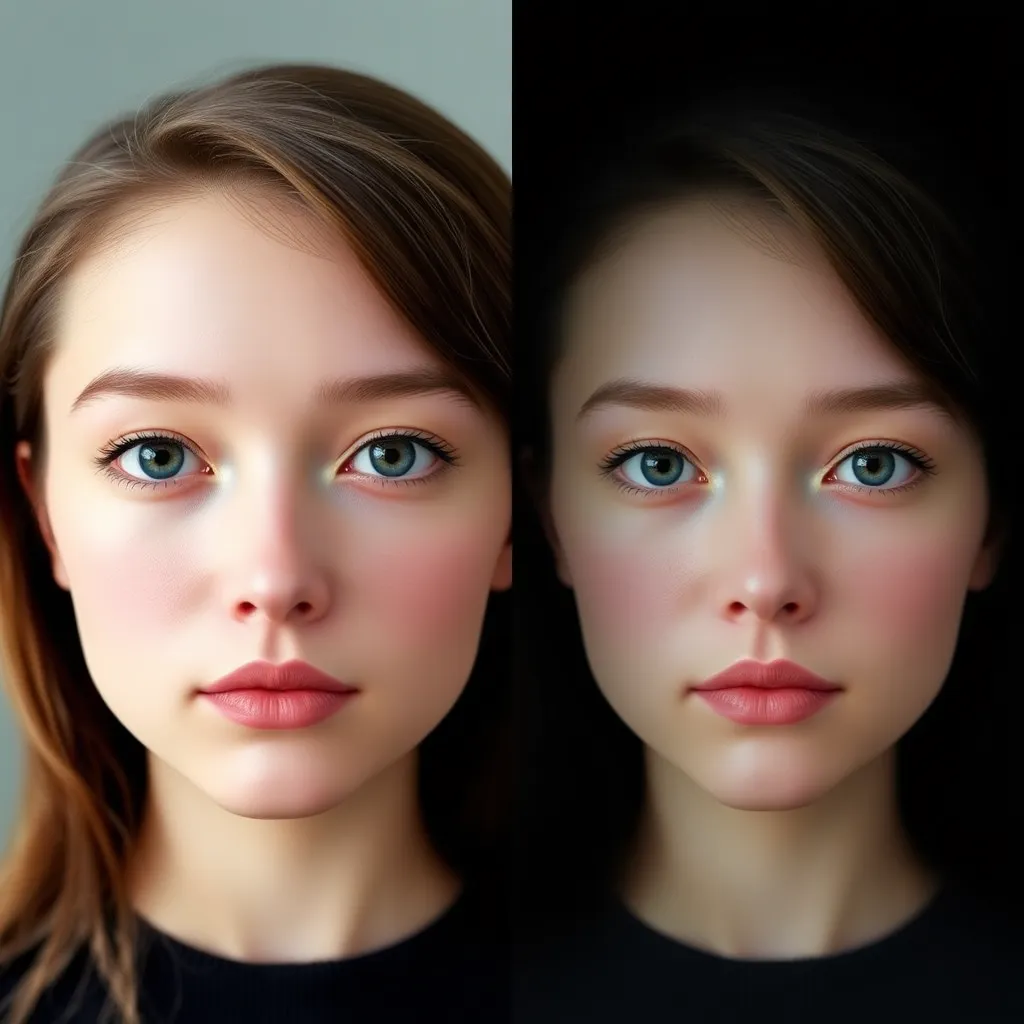
- Hyper-Realistic Outputs: Future GANs could improve on imperfections to produce outputs that are too close to reality.
- Regulations: Tighter guidelines for the moral application of deepfake technology are anticipated from governments and tech firms.
- Democratization of AI Tools: As platforms like StyleGAN become more widely available, they empower creators and companies of all kinds while simultaneously raising the hazards.
- Expansion Across Industries: AI may be used by industries like healthcare, personalized marketing, and architecture to create material that is suited to changing demands or personal tastes.
Conclusion
A.I.-enabled applications like “This Person Does Not Exist” demonstrate how technology has made it harder to distinguish between creation and reality. They give makers, hackers, and designers new opportunities to construct and produce in previously unattainable ways. But as technology develops, so do the problems with digital media’s ethics, appropriation, and trust.
The next time you use a “this person does not exist” generator, keep in mind that although the person in the picture can appear real, they are a part of an expanding trend of artificial intelligence (AI) creations that you should be cautious about. Deploying this amazing talent for the greater good will require finding the ideal balance between innovation and accountability.
Imginn: Can It Protect Your Instagram Privacy?
FAQs
Is there a danger to this person?
Yes, This Person Does Not Exist is a secure application that creates the faces of nonexistent people using artificial intelligence. Even though the faces are completely computer-generated, they look realistic thanks to a technique known as Generative Adversarial Networks (GANs).
Are there AI humans?
AI generates computer-generated representations of humans; AI itself does not exist. They may have a realistic-looking visage, but they are not genuine humans.
What AI is used by this nonexistent person?
StyleGAN is the name of the AI that powers this person does not exist.com. By learning from thousands of real-world photos, researchers created a more sophisticated version of the earlier AI model ProGAN, which allows computers to create lifelike human faces.
Is it possible for a person, does not exist to create phony human faces?
Yes, this person does not exist. com tool can create highly realistic, yet fake, human faces. Tools like AI face generators can create high-quality, lifelike images of people who don’t exist.
What is the tech stack of “This Person Does Not Exist”?
“This Person Does Not Exist” leverages Generative Adversarial Networks, a form of AI that creates images of human faces so realistic-looking that it’s hard to tell they were made by a machine, by training on massive sets of real photographs. GANs are composed of two networks, the generator and the discriminator, which cooperate to generate naturalistic outputs.
Does This Person Does Not Exist? Do AI faces resemble real ones?
This Person Does Not Exist. AI-generated faces can be highly realistic but may occasionally contain slight defects or inconsistencies. However, GANs have prevented MUS from being indistinguishable from real, as the quality continues to improve.